Bartsham Trelda Tshechu
Bartsham Trelda Tshechu is a Buddhist religious celebration observed at Chador Lhakhang in Bartsham, Trashigang, in eastern Bhutan. Unlike the larger district tshechus that continue for several days, Bartsham Trelda Tshechu is closely tied to the sacred anniversary of Guru Rinpoche, or Padmasambhava. The occasion brings monks, local families, elderly devotees, and younger generations together for prayer, blessings, ritual activity, and community worship. In 2026, Trelda Tshechu fell on 24 June, the tenth day of the fifth month in the Bhutanese lunar calendar and the day Bhutan commemorates Guru Rinpoche’s birth anniversary.
The word Trelda refers to the fifth lunar month, traditionally associated with the monkey month, while tshechu means the tenth day. Across Bhutan, this lunar date carries special religious importance because it commemorates Guru Rinpoche, the Buddhist master credited with playing a central role in establishing Vajrayana Buddhism in the Himalayan region. The festival is therefore rooted less in public entertainment and more in remembrance, prayer, merit-making, and devotion.
Bartsham gives this nationwide observance a strong local identity. The festival is held at Bartsham Chador Lhakhang, also known as Sangdag Gaypailing Monastery. The temple stands in Bartsham Gewog of Trashigang and contains a particularly revered image of Chador, or Chana Dorji, the Buddhist deity Vajrapani. Local religious tradition regards this sacred image as an important protective presence for communities surrounding the temple.
Stories surrounding the Chador image form an important part of the temple’s identity. Local accounts connect the statue with a sacred treasure discovered from a lake in eastern Bhutan before it eventually reached Bartsham through family and regional connections. Today the small image, often affectionately called Meme Chador, remains among the most treasured religious objects housed in the monastery. The temple also contains an image of Guru Rinpoche along with murals and other sacred objects used within its Buddhist traditions.
On Trelda Tshechu, the monastery becomes a gathering point for people wishing to accumulate merit and receive blessings on an auspicious Buddhist day. Devotees may offer butter lamps, incense, food, or monetary donations while monks conduct prayers and religious ceremonies. Families use the occasion to remember Guru Rinpoche’s teachings and pray for peace, health, protection, and favorable conditions in the year ahead. Bhutanese government institutions likewise marked 24 June 2026 with prayers and religious ceremonies honouring Guru Rinpoche’s birth anniversary.
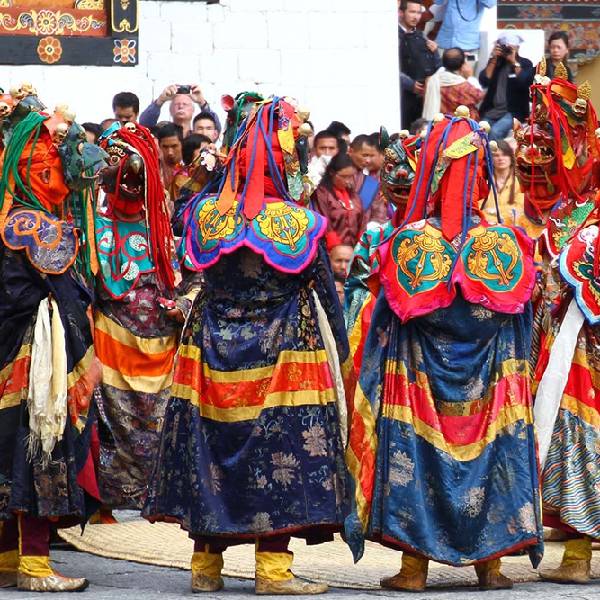
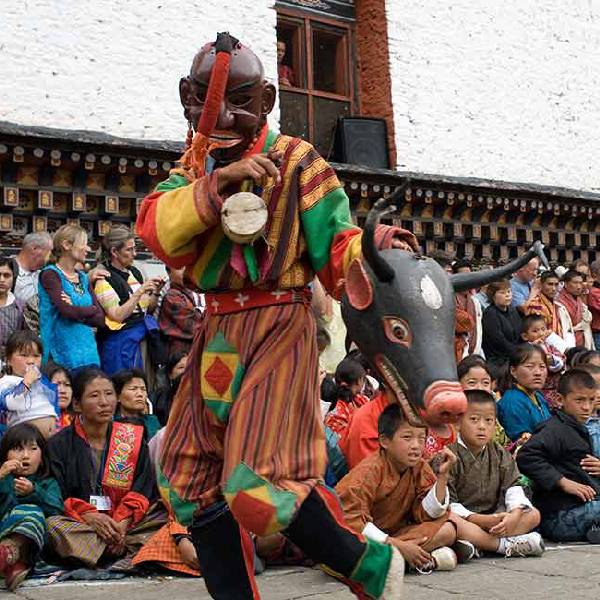
Traditional performance can also form part of the wider tshechu atmosphere. Bhutanese religious festivals commonly include cham, or sacred masked dances, in which elaborately dressed performers represent enlightened beings, protectors, teachers, or episodes from Buddhist religious history. These dances are not simply stage performances. Within the religious setting, they carry symbolic meanings associated with spiritual teaching, purification, protection, and the overcoming of negative forces. The current Bartsham festival page also identifies masked religious dances as a feature associated with the celebration.
Festival days also give residents an opportunity to gather socially. People may arrive wearing their finest gho and kira, meet relatives and neighbours, share food, and spend time together after religious ceremonies. In more remote parts of eastern Bhutan, local festivals continue to serve an important community role because they bring households from scattered settlements together around a shared temple and religious tradition.
The setting adds considerably to the experience. Bartsham lies in Trashigang Dzongkhag, away from the busiest tourism centres of western Bhutan. Chador Lhakhang is located roughly 25 kilometres from Trashigang town, according to local pilgrimage information. Reaching the monastery therefore takes travelers into rural eastern Bhutan, where agricultural villages, forested slopes, traditional houses, and mountain roads provide a very different atmosphere from Thimphu or Paro.
For visitors interested in Bhutanese Buddhism, this smaller festival can be especially rewarding. Large tshechus in Thimphu and Paro attract substantial crowds and international attention, while Bartsham offers a more local religious setting. Visitors can observe how a sacred calendar date is maintained within an eastern Bhutanese community and how monastery life, household devotion, oral history, and social relationships come together around one annual occasion.
Travelers should nevertheless remember that the festival is first and foremost a religious observance. Temple interiors may have photography restrictions, and visitors should avoid standing between worshippers and sacred images. Hats and footwear may need to be removed in designated areas, while monks and individual devotees should be photographed closely only after permission. Sitting or standing in places reserved for religious participants should also be avoided.
It is also useful to distinguish Bartsham Trelda Tshechu from the separate annual Bartsham Tshechu held later in the year. Current 2026 festival calendars list the three-day Bartsham Tshechu at Chador Lhakhang from 22 to 24 November. Local documentation identifies this later celebration as Seldap or Soldeb Tshechu, traditionally held during the tenth lunar month. Trelda Tshechu, by contrast, belongs specifically to Guru Rinpoche’s birth anniversary in the fifth lunar month.
At its heart, Bartsham Trelda Tshechu is meaningful because a major Buddhist anniversary takes on a distinctly local form. Guru Rinpoche’s legacy, the sacred Chador image, community prayer, monastery rituals, and generations of participation meet at one temple in eastern Bhutan. For travelers looking beyond the kingdom’s most famous festival grounds, the celebration provides an intimate view of how Buddhist devotion continues to shape everyday cultural life in rural Bhutan.