Nimalung Tshechu
Nimalung Tshechu is one of Bumthang’s important annual Buddhist festivals, celebrated at Nimalung Dratshang in Chumey Valley. Surrounded by forested mountains and traditional villages, the monastery provides an intimate setting for three days of sacred dance, prayer, ritual music, family gatherings, and religious blessings. In 2026, Nimalung Tshechu was celebrated from 22 to 24 June, corresponding to the eighth through tenth days of the fifth Bhutanese lunar month.
The festival is deeply connected with Guru Rinpoche, or Padmasambhava, whose influence remains central to Bhutanese Vajrayana Buddhism. Like other tshechus across Bhutan, the occasion allows devotees to remember Buddhist teachings, accumulate merit, make offerings, and receive blessings while participating in a tradition maintained over generations.
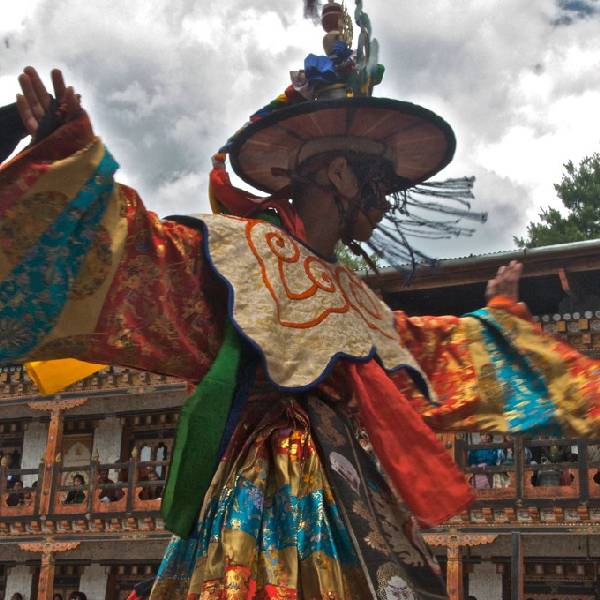
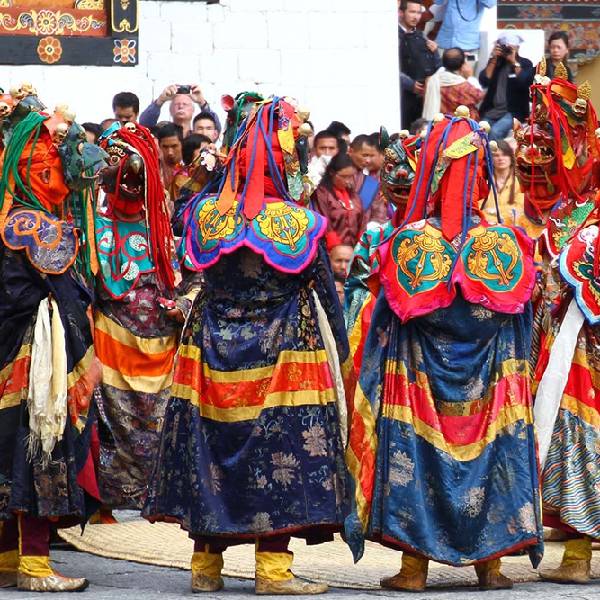
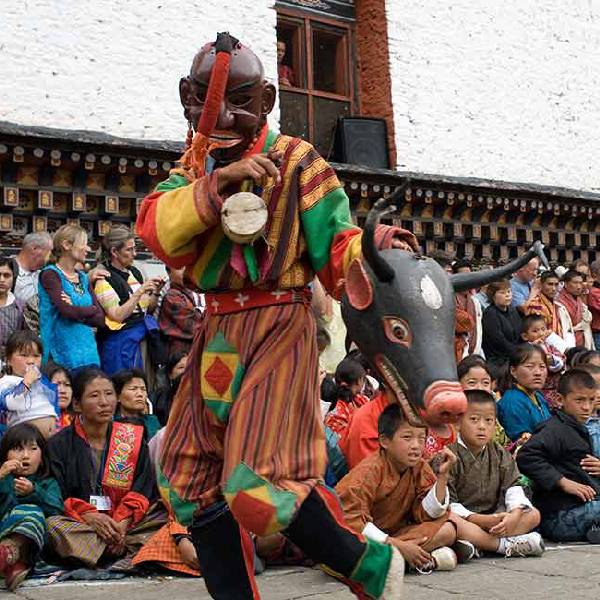
The main visual attraction is cham, Bhutan’s sacred masked dance tradition. Monks and trained performers appear in elaborate robes and symbolic masks while drums, cymbals, horns, and ritual chanting accompany carefully arranged movements. Nimalung is known for performances such as the Black Hat Dance, the Three Ging, and the famous Drametse Nga Cham, along with other dances connected with Bhutanese Buddhist traditions.
These performances should not be viewed simply as entertainment. Cham uses movement, costume, music, and religious symbolism to communicate Buddhist teachings. Some dances represent protective deities or enlightened figures, while others explore themes such as compassion, impermanence, purification, spiritual protection, and the overcoming of harmful influences.
The festival is held at Nimalung Monastery, which stands in Chumey, one of Bumthang’s four main valleys. The monastery contains sacred images, murals, and religious art associated with different Buddhist traditions and teachers. Its relatively rural setting gives Nimalung Tshechu a different atmosphere from the larger festivals held inside major dzongs.
One of the most important moments arrives toward the conclusion of the festival with the unfurling of a large Guru Rinpoche thongdrol. The sacred textile depicts Guru Rinpoche together with important figures associated with his spiritual tradition. Devotees gather to view the image and receive its blessing before it is carefully rolled away again. The display gives the final part of Nimalung Tshechu particular religious importance.
For local communities, however, the festival is much more than a sequence of performances. Families travel from villages across Bumthang wearing their finest gho and kira, meet relatives and friends, make offerings, watch the ceremonies, and spend much of the day around the monastery. Children attend beside parents and grandparents, allowing religious etiquette, traditional clothing, songs, stories, and festival customs to pass naturally between generations.
Traditional songs and social performances may appear between the more formal sacred dances, creating a balance between solemn religious activity and community celebration. People share food, talk with neighbours, watch dancers prepare, and enjoy the rare opportunity to gather with relatives who may live in different settlements.
For travelers, Nimalung Tshechu offers a more personal alternative to Bhutan’s larger festival venues. The smaller setting makes it easier to observe how religion and community life interact while still experiencing the colour and energy associated with Bhutanese tshechus. Bhutan’s official tourism portal specifically highlights Nimalung Tshechu as one of the cultural celebrations worth experiencing during the summer months.
The festival can also be combined with a wider exploration of Bumthang, one of Bhutan’s most important cultural regions. Ancient temples, monasteries, farming communities, traditional villages, and green mountain landscapes surround the area. Kurjey Tshechu also falls immediately after Nimalung in 2026, on 24 June, giving carefully timed visitors an opportunity to experience two important Bumthang religious celebrations during the same journey.
Visitors should dress respectfully and follow monastery guidelines. Temple interiors may have photography restrictions, while areas reserved for monks and dancers should remain clear. Close portraits of monks, performers, elderly devotees, or children should be taken only with permission.
June is part of Bhutan’s summer season, so light rain and changing mountain weather are possible. Comfortable footwear, light layers, and rain protection can make a full festival day more comfortable.
At its heart, Nimalung Tshechu in Bhutan brings Buddhist devotion, sacred performance, family life, and community heritage together in the peaceful surroundings of Chumey Valley. Masked dances, ritual music, prayer, traditional clothing, and the Guru Rinpoche thongdrol create an experience rooted in living faith rather than spectacle alone. For travelers seeking a meaningful cultural experience in central Bhutan, Nimalung Tshechu offers an intimate view of Bumthang’s enduring Buddhist traditions.