First Sermon of Lord Buddha
The First Sermon of Lord Buddha is remembered in Bhutan as one of the most meaningful dates in the Buddhist calendar. Locally known as Drukpa Tshe Zhi, the occasion falls on the fourth day of the sixth month of the Bhutanese lunar calendar. It commemorates the moment when Buddha shared his teachings publicly after attaining enlightenment. In 2026, Drukpa Tshe Zhi was observed on 18 July, with monasteries and Buddhist communities marking the day through prayer, religious practice, offerings, and reflection.
The historical event remembered on this day took place at Sarnath near Varanasi in India. Buddhist tradition holds that after attaining enlightenment at Bodh Gaya, Buddha travelled to the Deer Park at Sarnath, where he met the ascetics who had previously practised with him. There he delivered the teaching that came to be remembered as his first sermon. UNESCO identifies Sarnath as the sacred place where Buddha is believed to have delivered this first teaching and encountered his earliest disciples.
This sermon is widely associated with the Turning of the Wheel of Dharma. The expression represents the beginning of Buddha’s teachings being transmitted to others rather than remaining a personal realisation. The existing festival page correctly identifies the discourse with the Dhammacakkappavattana Sutta, often translated as the teaching that sets the Wheel of Dharma in motion.
At the heart of the sermon were the Four Noble Truths. These teachings examine the reality of suffering, the conditions that give rise to it, the possibility of its cessation, and the path leading toward liberation. Buddha also taught the Noble Eightfold Path, which provides a practical framework involving understanding, ethical conduct, mental discipline, and awareness. These ideas became foundational to Buddhist thought and remain central to the significance of Drukpa Tshe Zhi.
Another important idea associated with the first sermon is the Middle Way. Before enlightenment, Siddhartha Gautama had experienced both a life of comfort and a period of severe ascetic practice. His teaching rejected these opposing extremes and presented a path guided by wisdom, ethical behaviour, and disciplined spiritual practice. Remembering the First Sermon therefore means remembering not simply one historical speech, but the beginning of a practical path that would influence Buddhist communities across Asia.
Bhutan gives this sacred anniversary its own Himalayan cultural setting. Rather than being celebrated primarily through large public entertainment, Drukpa Tshe Zhi is characterised by devotion and religious practice. Monks and lay Buddhists may visit temples, participate in prayers, make offerings, light butter lamps, recite mantras, and dedicate positive actions toward the welfare of others. The day provides an opportunity to step away from ordinary routines and reflect on Buddhist values such as compassion, wisdom, restraint, and mindful living.
The 2026 observance in Pema Gatshel provides a useful example of how the occasion is marked. On 18 July, the Dzongkhag Administration recorded the beginning of a seven-day Gongdue Drupchen at Yongla Goenpa specifically on the auspicious occasion of Dawa Drukpa Tshe Zhi. Monks, government representatives, local leaders, and lay devotees gathered for prayers and blessings, with ceremonies dedicated to peace, harmony, national well-being, and all sentient beings.
Such ceremonies reflect the wider Bhutanese understanding that important Buddhist calendar days are opportunities to create merit through constructive actions. Prayer, generosity, respectful conduct, assistance to others, and support for religious institutions can all become ways of giving the occasion personal meaning.
Butter-lamp offerings are among the most visually recognisable expressions of Buddhist devotion in Bhutan. Lamps placed before sacred images symbolise light, clarity, and wisdom. Incense, water offerings, ceremonial scarves, flowers, and food offerings may also appear around temples and household shrines. For worshippers, these objects are part of religious practice rather than decoration.
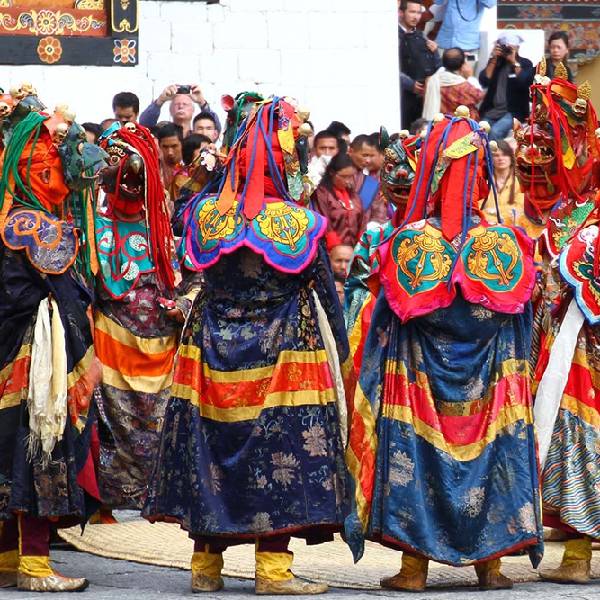
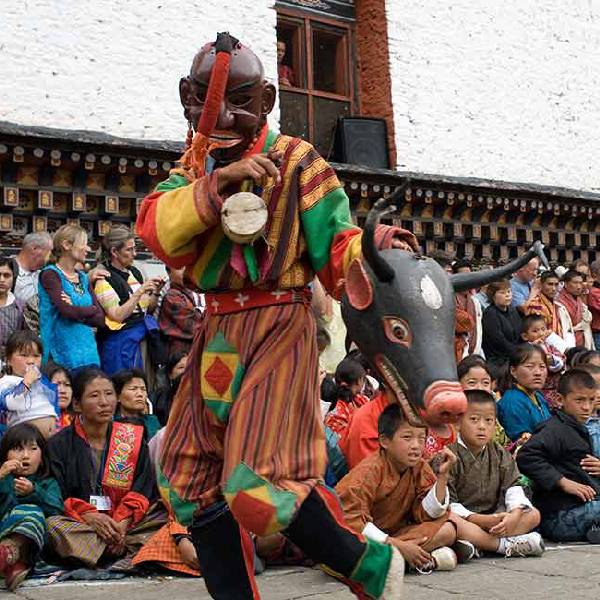
Travelers visiting Bhutan during Drukpa Tshe Zhi should therefore expect a different atmosphere from the kingdom’s famous tshechus. There may be no single national festival ground filled with continuous masked dancing. Instead, the experience can unfold quietly inside monasteries, prayer halls, temples, and local communities. The focus rests on Buddhist teaching and contemplation rather than spectacle.
Visiting a monastery on this day can still be a rewarding cultural experience. Monks chanting prayers, butter lamps burning before altars, devotees performing circumambulation, and families making offerings provide a close look at Bhutan’s living Buddhist traditions. Visitors should move quietly, avoid standing between worshippers and sacred objects, and follow monastery rules regarding footwear and photography.
Understanding the story of Sarnath also adds depth to the experience. The archaeological site remains one of Buddhism’s principal pilgrimage places, preserving the memory of the moment when Buddha began teaching his path to others. UNESCO notes that Sarnath developed over centuries into a major Buddhist centre containing monasteries, temples, and stupas.
At its heart, the First Sermon of Lord Buddha in Bhutan is a celebration of teaching rather than ceremony alone. Drukpa Tshe Zhi remembers the moment when enlightenment became something that could be explained, practised, and shared. Through monastery prayers, offerings, meditation, acts of compassion, and reflection on the Four Noble Truths and Noble Eightfold Path, Bhutanese Buddhists continue to honour a teaching first delivered at a deer park many centuries ago.
For travelers, the occasion offers a quieter way to understand Bhutan. It reveals a culture in which Buddhist philosophy is not confined to ancient scriptures or monastery walls but continues to influence prayer, community life, personal conduct, and the annual rhythm of the Bhutanese calendar.