Thimphu Tshechu
Thimphu Tshechu is among the most celebrated religious and cultural festivals in Bhutan, attracting visitors who wish to experience the country’s unique traditions, spiritual practices, and vibrant community life. Organised in Bhutan’s capital city, Thimphu, this annual festival brings together monks, locals, and travellers for a remarkable celebration of faith, heritage, and Bhutanese identity. The festival takes place at the historic Tashichho Dzong, creating a beautiful setting where ancient Buddhist rituals, traditional dances, and cultural performances come alive.
The word “Tshechu” refers to a religious festival that is held on the tenth day of a month according to the Bhutanese lunar calendar. These festivals are dedicated to Guru Padmasambhava, also known as Guru Rinpoche, who is highly respected for spreading Buddhism throughout Bhutan. For Bhutanese people, Thimphu Tshechu is not only a visual celebration but also a spiritually meaningful occasion where devotees gather to pray, seek blessings, and strengthen their connection with their religious traditions.
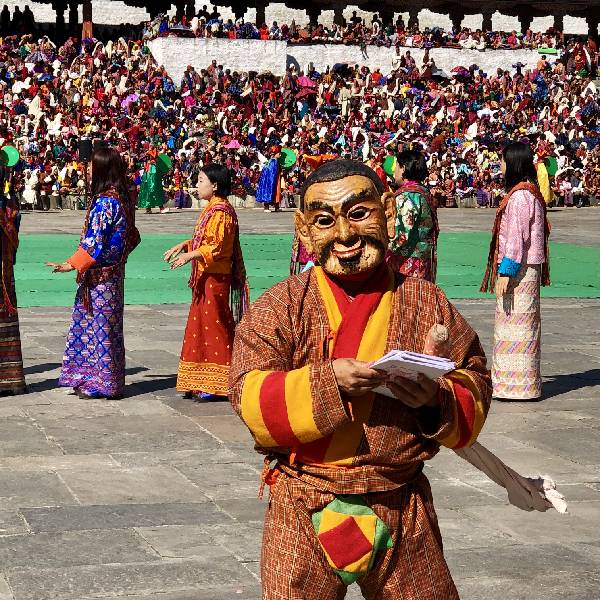
Thimphu Tshechu has grown into one of Bhutan’s largest festivals and plays an important role in preserving the country’s cultural heritage. People from different parts of Bhutan travel to the capital to participate in the celebration, meet relatives, and enjoy this important social gathering. During the festival, locals wear their finest traditional clothing, with men dressed in gho and women wearing colourful kira, showcasing Bhutan’s rich textile traditions and cultural pride.
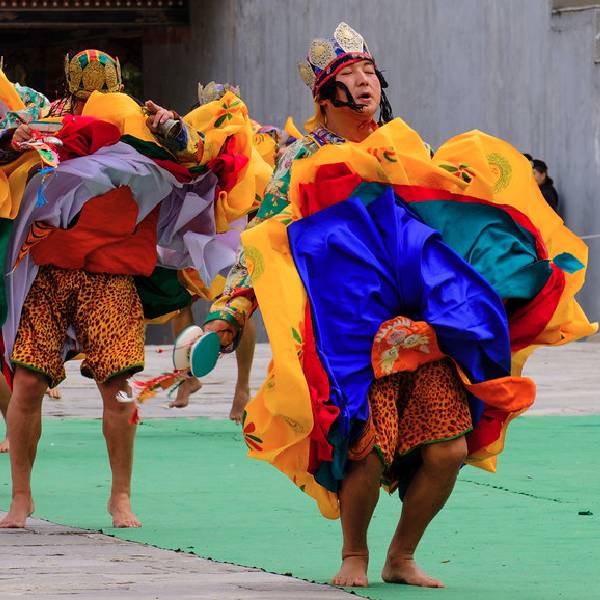
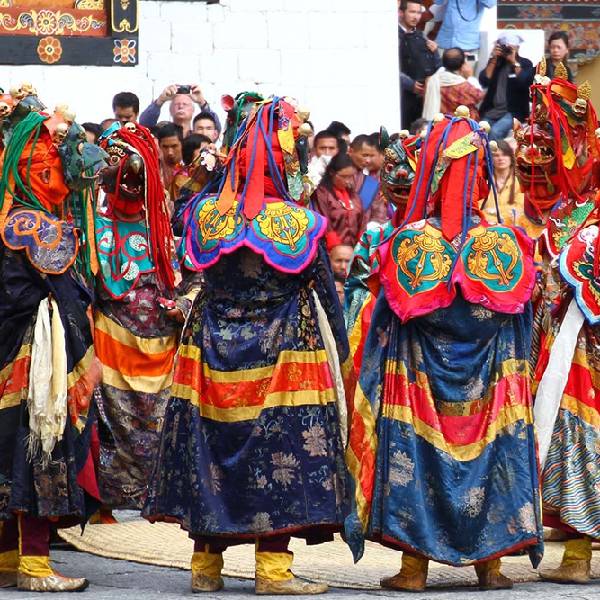
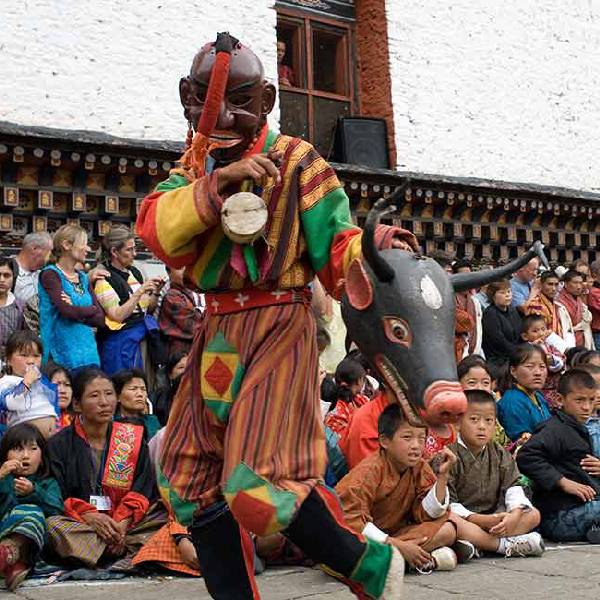
The most fascinating feature of Thimphu Tshechu is the performance of sacred Cham dances. These traditional masked dances are performed by monks and trained artists wearing beautifully designed costumes and symbolic masks. The dances are based on Buddhist teachings and represent stories of spiritual wisdom, protection, and the triumph of positive forces over negativity. Every movement, costume, and musical element carries symbolic importance, allowing religious teachings to be shared through art and performance.
Visitors attending Thimphu Tshechu can witness a variety of traditional dances that have been carefully preserved for generations. Performances such as the Black Hat Dance, the Dance of the Four Stags, and other sacred Cham rituals create a powerful atmosphere filled with traditional music, colourful costumes, and spiritual energy. The sound of drums, horns, and cymbals combined with the graceful movements of dancers makes the festival a memorable cultural experience.
One of the most significant moments of Thimphu Tshechu is the display of the Thongdrel, a large sacred Buddhist painting or tapestry. This important ceremony usually takes place on the final day of the festival and attracts thousands of devotees who gather to receive blessings by viewing the sacred image. Many Bhutanese believe that seeing the Thongdrel with devotion can bring spiritual purification and positive energy.
Apart from religious ceremonies, Thimphu Tshechu provides visitors with an opportunity to experience everyday Bhutanese culture. The festival grounds become a meeting place where families, friends, and communities gather together. Visitors can observe traditional customs, taste authentic Bhutanese food, explore local handicrafts, and interact with Bhutanese people in a warm and welcoming environment.
The location of the festival makes the experience even more special. Tashichho Dzong is one of Bhutan’s most impressive architectural landmarks, known for its traditional design, white walls, and beautifully decorated interiors. Watching colourful dances and religious ceremonies within this historic fortress allows visitors to experience the perfect combination of Bhutan’s architecture, spirituality, and cultural traditions.
A visit to Thimphu Tshechu is ideal for travellers who want to discover the deeper meaning behind Bhutan’s famous philosophy of preserving happiness, culture, and harmony. The festival provides insight into how Bhutanese traditions continue to remain an important part of modern life. Unlike a regular cultural show, Thimphu Tshechu is a genuine community celebration where visitors can witness living traditions in their original environment.
The festival is generally held during the autumn season, usually around September or October, depending on the Bhutanese lunar calendar. Travellers planning to attend should arrange their Bhutan tour, accommodation, and transportation early, as this is one of the busiest festival periods in the country. Combining the festival visit with sightseeing around Thimphu, nearby monasteries, mountain viewpoints, and traditional villages can create a complete Bhutan travel experience.
Thimphu Tshechu represents the heart of Bhutan’s cultural and spiritual identity. From sacred mask dances and religious ceremonies to colourful traditions and community gatherings, the festival offers visitors a chance to experience the authentic beauty of Bhutanese heritage. For travellers looking for a meaningful journey filled with culture, spirituality, and unforgettable moments, Thimphu Tshechu remains one of the most remarkable festivals to explore in Bhutan.