Locho
Locho, particularly known as the Locho of Sha, belongs to the traditional cultural heritage of the Sha region of Wangdue Phodrang in Bhutan. Rather than referring to a food or a Tibetan meat dish, Locho in the Bhutanese cultural context is associated with an inherited tradition of song, dance, community participation, and local celebration. It forms part of Bhutan's wider zhey tradition, in which long-form songs and coordinated dances preserve stories, historical memory, regional identity, and social customs. Bhutan Broadcasting Service identifies the Locho of Sha as one of Bhutan's recognised minor zheys.
Zhey occupies a distinctive place in Bhutanese performing culture. These traditions combine singing with organised movement and are often performed during important community occasions. Different regions developed their own forms, giving individual valleys recognisable styles and identities. Bhutan's better-known major zheys include traditions associated with Gasa, Thimphu, Trongsa, and Paro, while Locho of Sha is grouped with regional forms such as Auley of Laya, Bonghur Zhey of Haa, and Miritsemoi Zhey of Chukha.
The importance of Locho therefore lies not only in the performance itself but in the community that continues to remember it. Traditional songs can preserve local expressions, stories, relationships, and knowledge that may not exist in the same form in written records. Learning a performance requires younger participants to spend time with experienced singers and dancers, allowing cultural knowledge to move directly from one generation to another.
The Sha region of Wangdue Phodrang gives the tradition its local identity. Wangdue is known for mountain communities, agricultural landscapes, monasteries, traditional settlements, and a rich festival culture. Locho belongs within this broader cultural environment and reflects the way individual Bhutanese communities have developed their own forms of music and performance rather than following one identical national tradition.
Traditional Bhutanese zheys are usually performed as coordinated group presentations. Singing and movement work together, creating a performance that can unfold more slowly than modern stage dances. The strength of the tradition comes from rhythm, repetition, shared voices, and carefully remembered sequences. Participants depend on one another, making the performance a collective expression rather than an individual showcase.
Dress also contributes to the visual character of Bhutanese traditional performances. Participants appear in formal or specially prepared traditional clothing appropriate to the occasion. Combined with the mountain setting, local architecture, community gathering, and traditional music, these performances offer visitors a very different experience from contemporary entertainment.
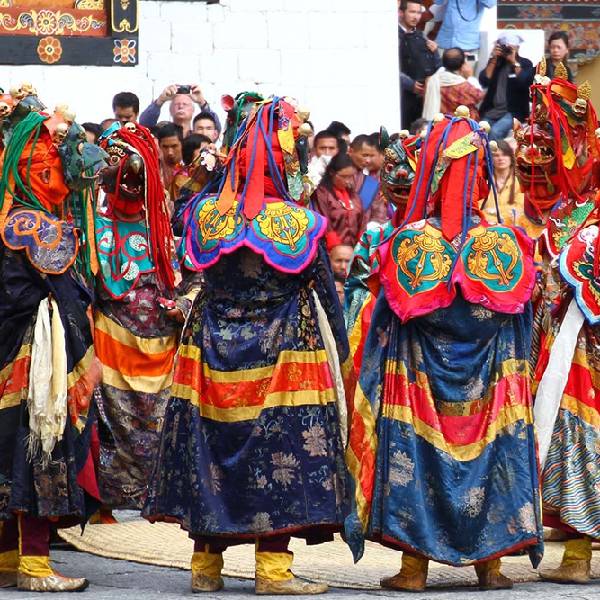
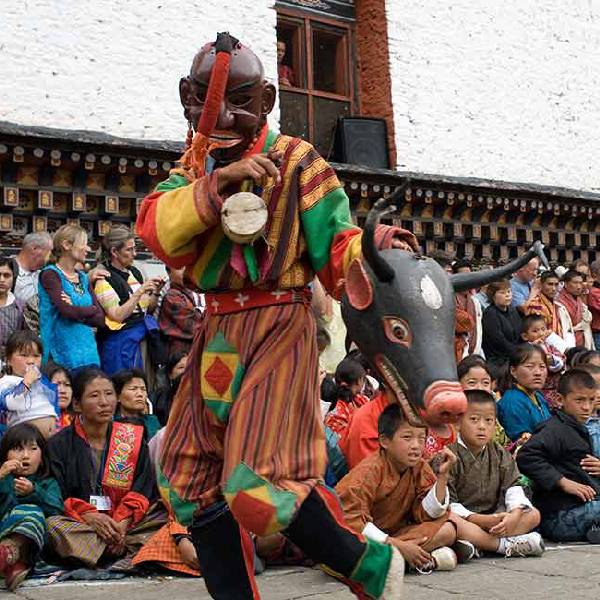
Locho should also be understood separately from Bhutan's large tshechus. A major tshechu often revolves around Buddhist masked dances, monastery rituals, religious blessings, and performances of cham. Locho belongs more directly to Bhutan's regional folk performance heritage. The two traditions can sometimes exist within the same broader community celebration, but they should not automatically be treated as the same type of event.
For local residents, occasions involving Locho can also provide valuable opportunities for social connection. Families and neighbours gather, older community members reconnect, and younger people participate in customs linked with their home region. Singing, dancing, food, conversation, and religious or community activities can all become part of the wider occasion.
For travelers interested in Bhutan beyond its major tourist festivals, Locho of Sha offers an introduction to a more local layer of cultural heritage. It shows that Bhutanese tradition is not limited to famous masked dances or large dzong courtyards. Smaller regional customs can reveal just as much about the country's history and identity.
Visitors should approach local performances respectfully. These traditions belong first to the communities that maintain them. Travelers should avoid interrupting performers, entering ceremonial or performance spaces without invitation, or positioning themselves directly in front of participants simply for photographs. Asking permission before taking close portraits is always appropriate.
Spending additional time in Wangdue Phodrang can provide useful context for understanding the tradition. The district's settlements, religious sites, farming landscapes, and community festivals demonstrate how cultural practices remain connected with particular places. Locho becomes more meaningful when experienced as part of this wider environment rather than as an isolated performance.
One of the greatest challenges facing regional traditions is ensuring that younger generations continue to learn them. Bhutan Broadcasting Service has previously highlighted similar concerns surrounding lesser-known zheys and the importance of teaching traditional songs and dances to younger community members. Such preservation work helps keep regional identities visible even as lifestyles change.
At its heart, Locho of Sha is about cultural memory and belonging. Through shared voices, traditional movement, regional language, dress, and community participation, the people of Sha preserve a tradition closely associated with their home. For visitors interested in Bhutan's living heritage, Locho offers a valuable reminder that some of the country's most meaningful cultural experiences are found not in its largest celebrations, but in traditions carefully maintained within individual valleys and communities.