Lord Buddha’s Parinirvana
Lord Buddha’s Parinirvana, known in Bhutan as Duechen Nga Zom, is one of the most sacred occasions in the Bhutanese Buddhist calendar. The observance falls on the 15th day of the fourth month of the Bhutanese lunar calendar and is recognised as a public holiday in Bhutan. In 2026, Lord Buddha’s Parinirvana was observed on 31 May. Rather than being a festival centred on entertainment, the day is devoted to prayer, reflection, offerings, compassion, and remembrance of the Buddha’s enlightened life.
Duechen Nga Zom carries a broader meaning than the English name alone may suggest. Bhutanese Buddhist tradition regards the occasion as an auspicious convergence of significant events connected with Shakyamuni Buddha. Contemporary Bhutanese religious writing describes five enlightened deeds remembered on this sacred day: his conception, birth, overcoming of Mara, attainment of enlightenment, and final entry into parinirvana. This combination gives the day exceptional importance within Bhutan’s religious calendar.
Parinirvana refers to the Buddha’s final passing after completing his lifetime of teaching. Within Buddhist thought, it is not viewed simply as an ordinary death. It represents the completion of liberation from suffering and the cycle of rebirth. The occasion therefore encourages followers to think deeply about impermanence, attachment, compassion, wisdom, and the path toward awakening.
For many Bhutanese devotees, the day is not primarily one of sadness. It is an opportunity to remember the Buddha’s teachings and consider how those teachings can influence everyday actions. People may spend more time than usual in prayer, meditation, scripture recitation, or quiet reflection.
Across Bhutan, monasteries, lhakhangs, dzongs, and household shrines become important places of worship. Devotees may light butter lamps, offer incense and flowers, perform prostrations, turn prayer wheels, recite mantras, or sit in meditation. Families often visit temples to receive blessings and dedicate prayers for relatives, communities, and all sentient beings.
One of the most recognisable practices is the lighting of butter lamps. Light carries strong symbolism in Buddhist tradition, representing wisdom and the removal of ignorance. Bhutanese reflections on Duechen Nga Zom emphasise that the spiritual value of an offering depends less on its material size than on the intention behind it. Even a simple lamp or flower can become meaningful when offered sincerely with compassion and a wish for the welfare of others.
The sacred day also encourages positive action outside the temple. Some devotees choose vegetarian meals, avoid activities that may harm living beings, make charitable donations, support monasteries, help people in need, or dedicate additional time to compassionate behaviour. These practices reflect an important Buddhist principle: spiritual observance should influence how a person thinks, speaks, and acts rather than remaining limited to ritual.
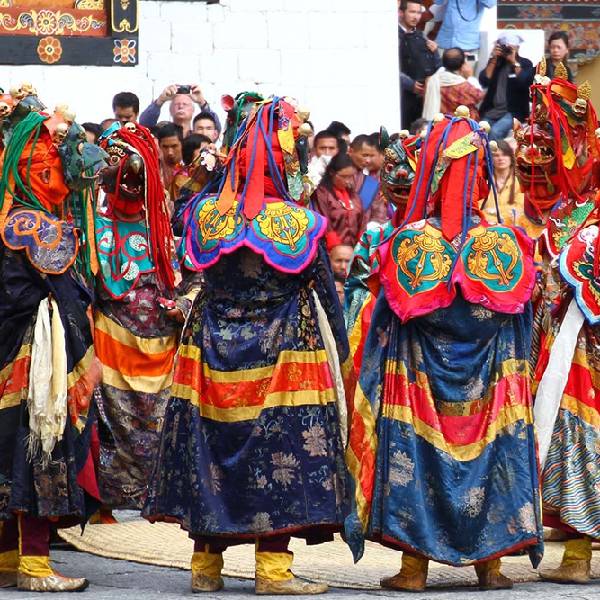
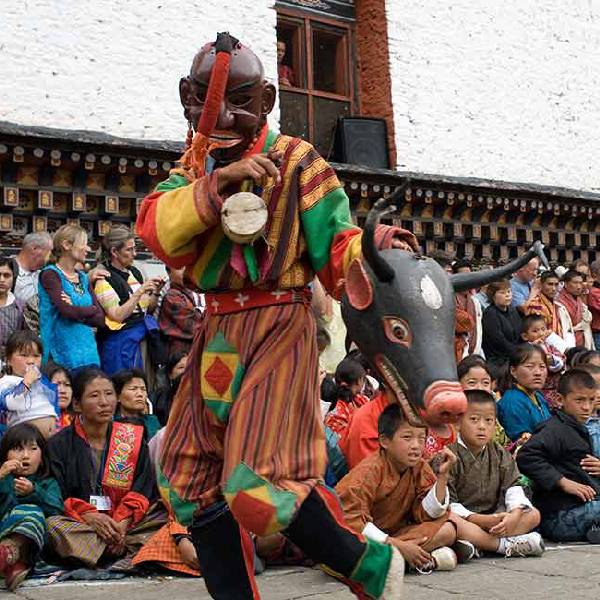
For travelers, Lord Buddha’s Parinirvana in Bhutan provides a very different cultural experience from attending a large tshechu. Visitors should not expect an extensive programme of colourful masked dances or a central festival ground. Instead, they may see worshippers quietly entering temples with offerings, monks reciting prayers, rows of glowing butter lamps, families circumambulating sacred buildings, and devotees spending time in meditation.
This quieter atmosphere can offer a valuable introduction to Bhutan’s living Buddhist traditions. Places such as Thimphu, Paro, Punakha, and Bumthang contain numerous monasteries and temples where religious activities may take place, but there is no single national venue for the observance. Individual monasteries can follow their own prayer schedules, so travelers interested in attending a particular ceremony should confirm the programme locally.
The date also changes from year to year because Bhutan follows its traditional lunar calendar for the occasion. Government documentation lists Lord Buddha’s Parinirvana among the public holidays whose Gregorian dates are determined according to the Bhutanese calendar rather than remaining fixed annually.
Visitors should approach monasteries respectfully during the holiday. Modest clothing is appropriate, while shoes and hats may need to be removed before entering sacred interiors. Photography can be restricted inside temples, and monks or individual devotees should not be photographed closely without permission. People performing prayers, meditation, or prostrations should always be given sufficient space.
Keeping conversations quiet around worship areas and avoiding contact with religious objects unless invited are also important. Travelers should remember that they are observing a genuine spiritual occasion rather than an event organised primarily for tourism.
At its heart, Lord Buddha’s Parinirvana in Bhutan is a day of inner reflection. Butter lamps, flowers, prayers, meditation, charitable actions, and visits to sacred places all point toward the same ideas: impermanence, compassion, wisdom, and freedom from suffering. For travelers interested in Bhutan’s spiritual heritage, Duechen Nga Zom provides a meaningful opportunity to experience Buddhism not merely as history or cultural display, but as a living tradition that continues to influence the values and daily lives of Bhutanese people.