Mushroom Festival at Genekha
The Mushroom Festival at Genekha is one of Bhutan’s most distinctive nature and food celebrations, bringing together wild mushrooms, forest knowledge, local cuisine, traditional culture, and rural livelihoods. Held in Genekha, south of Thimphu, the two-day festival takes place during the summer mushroom season when forests surrounding the village produce prized wild varieties. In 2026, the Genekha Matsutake Mushroom Festival was celebrated on 15 and 16 August.
Genekha has earned the local nickname “Mushroom Village” because of the abundance of wild mushrooms found in its forests, particularly matsutake. The village lies among forested valleys and mountain slopes at elevations of roughly 2,000 to 3,000 metres. Farming, livestock rearing, and collection of forest products remain important parts of local livelihoods.
The most famous mushroom associated with the festival is matsutake, locally known as Sangay Shamu. Bhutan’s official tourism portal notes that matsutake grows naturally around both Genekha and Ura in Bumthang. Its harvesting season generally extends from July until around mid-September, depending on rainfall and forest conditions. For some mushroom-picking families, this short season provides an important source of annual income.
During the festival, visitors can see displays of different wild mushrooms collected from the surrounding forests. These exhibitions help people recognise Bhutan’s fungal diversity while introducing the differences between locally used species. Mushroom displays are accompanied by food stalls, local products, agricultural items, cultural programmes, and activities designed around the community’s relationship with its forests.
Mushroom foraging is one of the festival’s most interesting experiences. Guided excursions allow participants to enter the forest with people who understand where mushrooms grow and how they should be collected. Visitors learn that successful foraging involves far more than finding a mushroom. Experienced collectors pay attention to soil, trees, moisture, forest conditions, maturity, and the way the mushroom is removed from the ground.
Sustainable harvesting is especially important for matsutake. Bhutan’s tourism authority describes how experienced collectors carefully move aside the forest litter, remove mature mushrooms without unnecessarily disturbing the soil, and return leaves and pine needles to their original position. Protecting the forest floor helps maintain the conditions required for future mushroom growth.
This environmental message is one of the festival’s main purposes. Bhutan’s official tourism information describes the Genekha celebration as an opportunity to increase awareness about sustainable mushroom harvesting while allowing visitors to enjoy local flavours and forest experiences.
Food naturally plays a major part in the event. Visitors can taste mushrooms prepared in different styles, from soups and curries to simple dishes that allow the natural flavour of freshly collected mushrooms to remain prominent. Festival stalls may also offer other local foods and products produced by nearby households and farming communities.
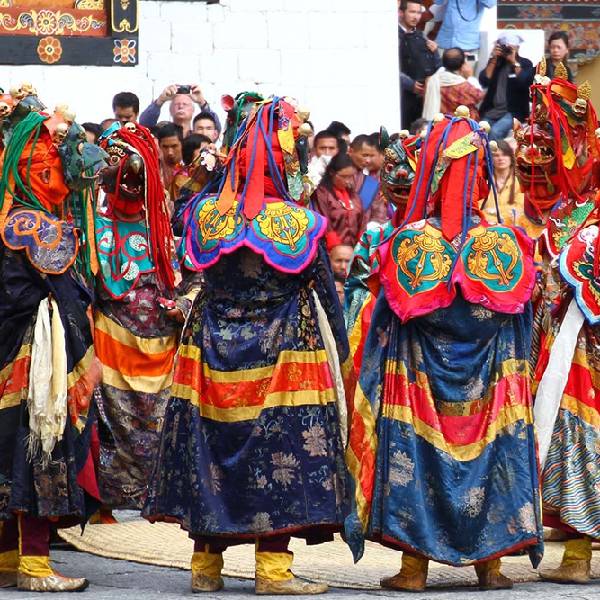
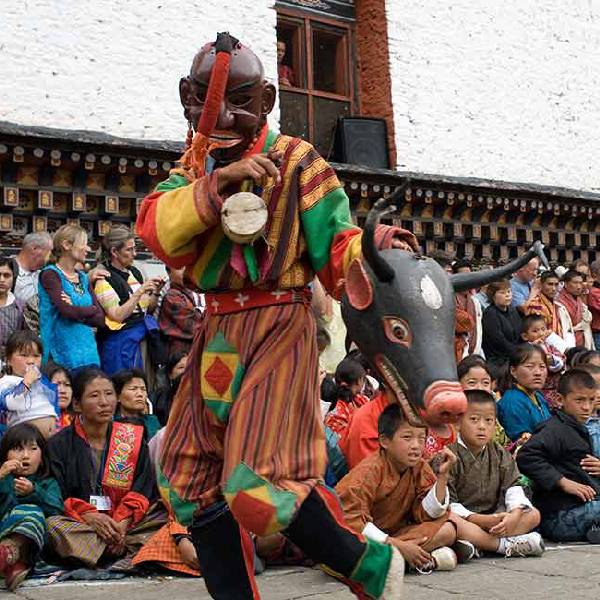
The celebration extends beyond mushrooms. Traditional songs, dances, local sports, community performances, and product stalls add a cultural dimension to the programme. Bhutan’s official tourism material notes that the festival combines mushroom-picking activities with local cuisine and cultural performances, giving travelers a broader introduction to village life.
The festival has also become connected with Genekha’s development as an eco-tourism destination. A 2026 document from the Thimphu Dzongkhag Administration states that annual mushroom festivals have been organised in the area since 2015 and identifies promotion of the matsutake festival, local employment, sustainable livelihoods, and community participation among the objectives of the Geneyzam eco-tourism facility.
For travelers, Genekha has the advantage of being relatively close to Bhutan’s capital while still offering a rural environment of forests, farms, traditional villages, and mountain scenery. Bhutan Tourism places the village about 45 minutes from Thimphu, making the festival possible to include within a wider stay in the capital region. Genekha is also associated with the trailhead area for the Dagala Thousand Lakes Trek.
Visitors joining a mushroom excursion should always follow local experts rather than collecting unfamiliar species independently. Wild mushroom identification requires experience, and the festival is valuable precisely because it connects visitors with people who understand the forest and responsible harvesting practices.
Comfortable walking shoes and rain protection are useful because August falls within Bhutan’s wetter summer season. Travelers should also ask permission before photographing local residents closely and avoid disturbing forest areas simply to obtain photographs.
At its heart, the Mushroom Festival at Genekha celebrates the relationship between a community and the forests surrounding it. Wild mushrooms provide food, seasonal income, traditional knowledge, and now an opportunity for responsible tourism. Through foraging, cooking, cultural performances, education, and community participation, the festival allows visitors to experience Bhutanese conservation not as an abstract idea, but as something connected directly with food, livelihoods, and everyday village life.