Paro Tshechu
Paro Tshechu is one of Bhutan’s most important and widely attended Buddhist festivals. Held each spring in Paro, the five-day celebration brings together monks, lay performers, local families, pilgrims, and visitors for sacred masked dances, prayers, traditional music, folk performances, and religious blessings. In 2026, Paro Tshechu was held from 29 March to 2 April, with the final day attracting the largest gathering for the unveiling of the sacred Guru Rinpoche thongdrol.
The festival follows Bhutan’s lunar calendar and traditionally takes place during the second lunar month. According to the Paro Dzongkhag Administration, the main five-day celebration is observed from the eleventh through fifteenth days of that month, with associated ceremonies extending beyond the principal festival period. This lunar schedule explains why the Gregorian dates change each year.
Much of the festival activity is centred around Rinpung Dzong, Paro’s historic fortress-monastery. Before the main celebration begins, preparations include ceremonial activities for the dancers and performers. In 2026, the annual Chhamjug was held at Rinpung Dzong ahead of the festival, while the formal five-day programme began with sacred rituals administered by the Rinpung monastic body.
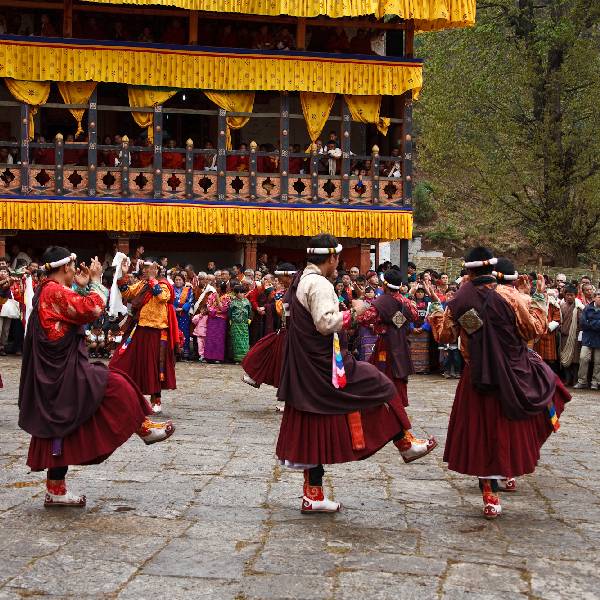
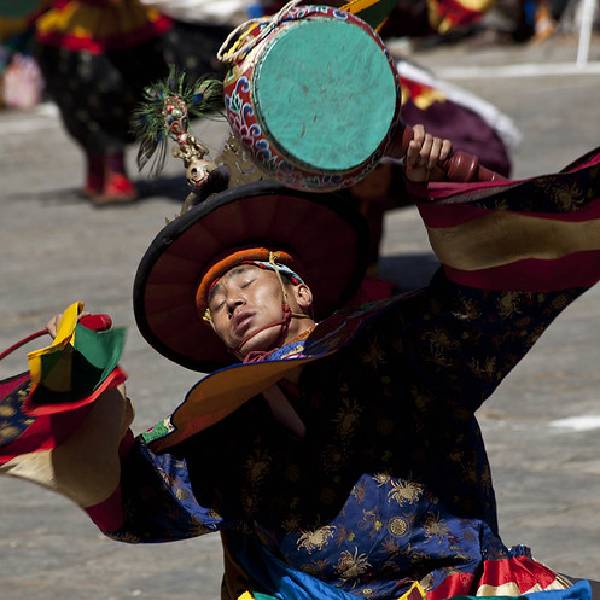
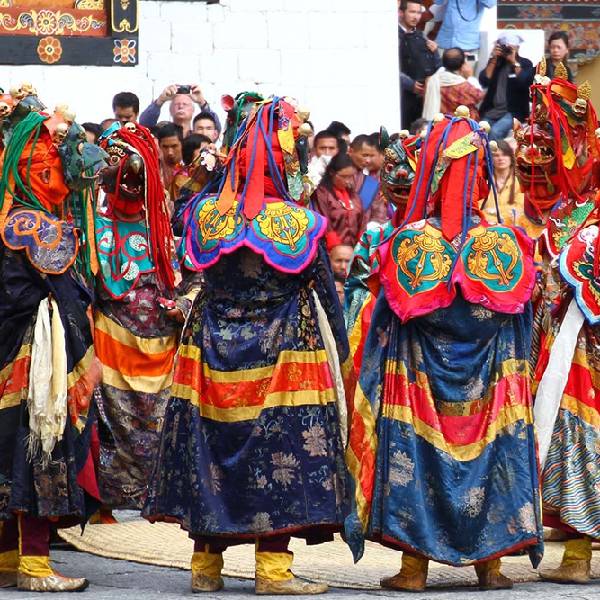
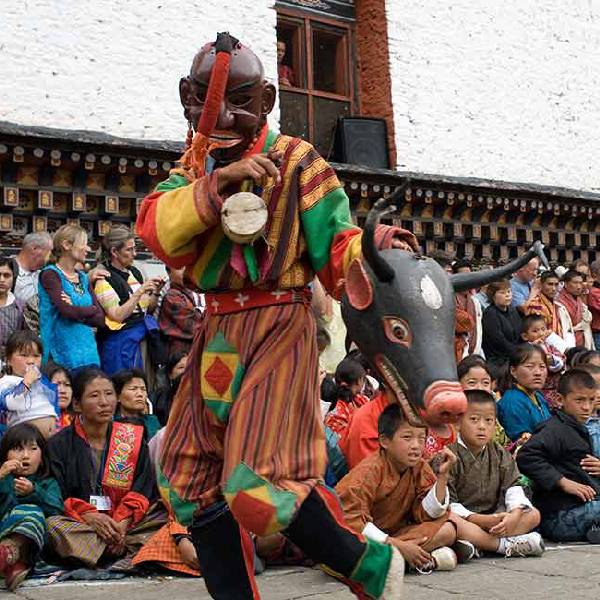
The highlight throughout the festival is cham, Bhutan’s sacred masked dance tradition. Monks and trained lay performers wear elaborate masks, ceremonial robes, and colourful costumes while moving to the rhythm of drums, cymbals, horns, and ritual music. The dances are rooted in Buddhist teachings and may depict spiritual protectors, enlightened beings, animals, or figures from religious narratives. Paro’s official festival description confirms that both monks and community members perform masked and folk dances during the tshechu.
For Bhutanese devotees, these performances are not simply cultural entertainment. Attending the tshechu is connected with receiving blessings, accumulating merit, and reflecting on Buddhist teachings. The festival honours Guru Rinpoche, or Padmasambhava, whose legacy is central to Bhutanese Vajrayana Buddhism. Families may spend several hours at the festival grounds, combining prayer and religious observation with the social pleasure of meeting relatives and neighbours.
The most anticipated moment arrives on the fifth and final morning, when the enormous Guru Thongdrol is unfurled. The sacred textile depicts Guru Rinpoche’s eight manifestations together with his two consorts. The Paro Dzongkhag Administration describes the thongdrol as the main attraction of the festival and notes that people travel from other districts specifically to see it and receive its blessing. In 2026, His Majesty The King attended the final day and offered prayers before the Guru Thongdrol.
Because the thongdrol is displayed for a limited period, the final morning has a particularly powerful atmosphere. Worshippers arrive early, dressed in their finest traditional gho and kira, while families gather around the festival area before the sacred image is rolled away again. The combination of prayer, traditional clothing, ritual music, monastery architecture, and thousands of participants makes this one of the most memorable moments of Paro Tshechu.
Paro Tshechu is equally important as a community gathering. The official district description notes that people from across Bhutan attend wearing their best clothing. Children experience the same ceremonies as their parents and grandparents, while traditional dances, music, religious etiquette, and social customs continue through participation. Visitors therefore experience a living festival rather than a performance created only for tourism.
For travellers, the festival can become part of a wider exploration of Paro Valley. Rinpung Dzong is one of the valley’s defining landmarks, while Paro is also the gateway to many of western Bhutan’s important cultural and religious sites. Staying for several days allows visitors to experience different stages of the festival instead of focusing only on the final thongdrol ceremony.
Visitors should arrive early because the festival grounds become extremely busy, especially on the concluding day. Religious areas and pathways for dancers should remain clear, photography restrictions inside sacred spaces must be followed, and close portraits of monks or worshippers should be taken respectfully. The large attendance can also affect traffic and parking around the dzong area.
At its heart, Paro Tshechu in Bhutan brings Buddhist devotion and community life together through five days of prayer, sacred dance, music, family gatherings, traditional dress, and blessings. The final appearance of the Guru Thongdrol gives the celebration an especially meaningful conclusion, making Paro Tshechu one of the strongest opportunities for visitors to experience Bhutan’s living religious heritage.