Prew- Jasabi
Prew Jasabi is one of the distinctive local festivals of Lhuentse in eastern Bhutan, celebrated especially in Jasabi-Ugyenphu Chiwog of Kurtoed Gewog. Unlike Bhutan’s large dzong-based tshechus, Prew grows from village life, household customs, local temples, food offerings, prayer, and close community participation. The festival is associated with Guru Rinpoche, or Padmasambhava, and is traditionally observed during the fourth month of the Bhutanese lunar calendar. The Lhuentse Dzongkhag Administration records Prew from the 10th to 12th days of the fourth lunar month, with the grand celebration taking place in Jasabi-Ugyenphu.
The festival was originally known as Treu-choed, which can be understood as an offering associated with the Monkey Month. Local tradition connects this name with Guru Rinpoche and the belief that he visited Jasabi while travelling through the sacred landscape of Kurtoe. Communities have continued the celebration as an expression of gratitude for his blessings and as an occasion to pray for the well-being of people, crops, livestock, and the wider village.
One feature immediately distinguishes Prew from many other Bhutanese celebrations: red-coloured boiled eggs. Families traditionally dye eggs using the roots of Rubia cordifolia, a plant locally used to create a deep reddish colour. Community elders associate the red eggs with the red robes or scarves connected with Guru Rinpoche. The eggs are prepared as offerings, shared among participants, and also given to guests arriving during the celebration.
Preparations begin before the principal festival day. Families clean their homes and shrines, collect flowers, prepare food, and organise ritual materials. Representatives from households also gather at the local temple with rice, vegetables, fruits, drinks, and other items required for communal offerings. Monks and lay religious practitioners prepare ritual cakes and prayers while villagers share responsibility for cooking and organising the gathering.
In Jasabi, Tergang Lhakhang plays an important role in the festival. Local accounts describe villagers gathering there before the main day to perform rituals and make offerings. Religious activities include butter lamps, incense, prayers, and tshog feast offerings dedicated to Guru Rinpoche and the welfare of all beings. The occasion combines Buddhist devotion with traditions that are specific to the communities of Lhuentse.
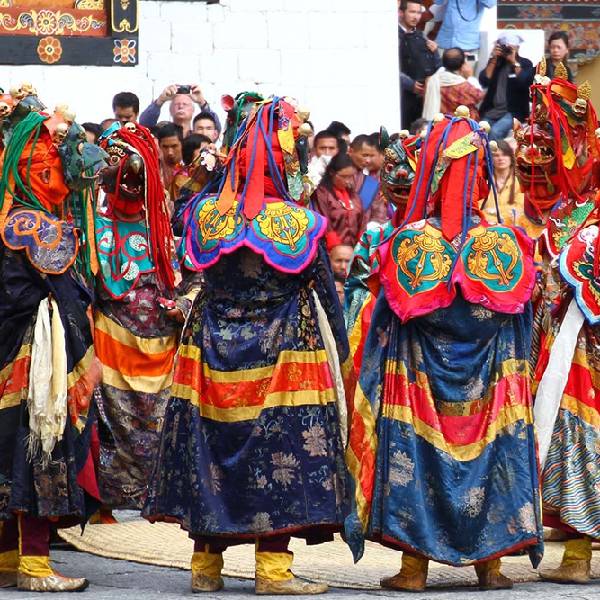
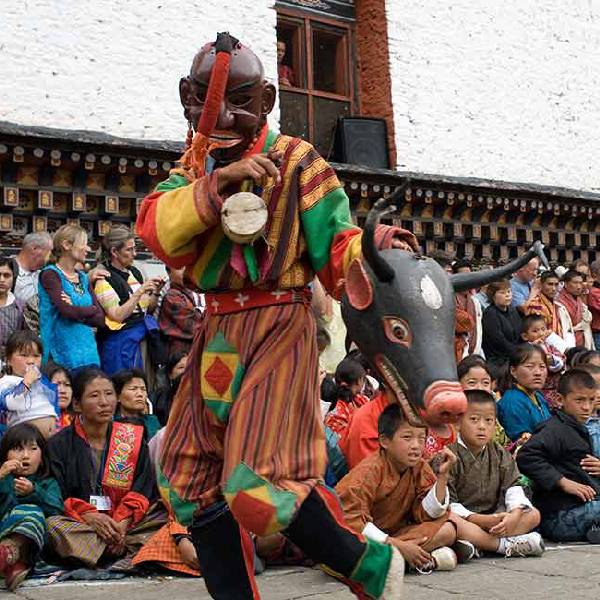
On the main celebration day, residents gather at the temple before the festival expands into the wider village. Traditional chants, singing, and distinctive local dances form part of the occasion. Historical accounts of Prew in Jasabi mention jumping dances and processional singing as people return from the lhakhang after prayers. The celebration therefore moves between sacred temple space and everyday village surroundings rather than remaining inside one formal festival ground.
Food and hospitality are equally important. Families prepare generous meals, butter tea, local dishes, and traditional drinks for relatives, neighbours, religious practitioners, and guests. The red eggs remain the most recognisable festival food, but the wider meal reflects a familiar Bhutanese idea: an important religious occasion should also strengthen relationships among the people who celebrate it.
Traditional archery may also form part of Prew gatherings. Men participate in friendly matches while other community members gather for food, conversation, prayer, and social activities. These moments create a relaxed atmosphere alongside the more formal religious rituals and allow people living away from their home villages to reconnect with relatives and neighbours.
Prew is not limited to Jasabi. The Lhuentse administration records the tradition across all five chiwogs of Kurtoed Gewog, while nearby Gangzur and other parts of Lhuentse maintain their own forms of the festival. The duration and specific customs can vary between settlements, but offerings to Guru Rinpoche and the preparation of red eggs remain widely recognised features.
This regional variation makes Prew particularly interesting for travellers. It is not a standardised festival reproduced identically throughout Bhutan. Instead, each community has preserved its own inherited responsibilities, sacred places, songs, food customs, and ways of gathering. Jasabi is especially significant because local tradition strongly connects the village with Guru Rinpoche’s visit and blessings.
The remote setting adds another dimension. Kurtoed Gewog lies in northern Lhuentse, where settlements are scattered among mountains, forests, agricultural land, and sacred sites. Jasabi-Ugyenphu is one of five chiwogs within the gewog, and the region remains strongly connected with farming and livestock-based livelihoods.
Travellers attending Prew should remember that this is primarily a village religious tradition, not a performance organised for tourism. Visitors should avoid interrupting prayers, touching offerings, or entering household ceremonies without invitation. Photography around homes, temple rituals, or individual worshippers should be approached respectfully and with permission.
At its heart, Prew Jasabi in Bhutan celebrates gratitude, community protection, agricultural well-being, and devotion to Guru Rinpoche. Red eggs, butter lamps, temple offerings, local dances, archery, family meals, and village gatherings create a festival unlike Bhutan’s better-known tshechus. For travellers seeking lesser-known cultural experiences in eastern Bhutan, Prew offers a rare opportunity to witness a tradition still closely connected with the people and landscape of Lhuentse.