Talo Tshechu
Talo Tshechu is one of Bhutan’s culturally rich and spiritually meaningful festivals, celebrated in the beautiful village of Talo in Punakha district. Surrounded by peaceful Himalayan landscapes, traditional Bhutanese homes, monasteries, and green valleys, the festival gives visitors a wonderful opportunity to experience the country’s living Buddhist traditions. Talo Tshechu attracts local communities as well as travellers who want to understand Bhutanese culture beyond popular tourist attractions. The celebration combines religion, traditional dance, music, colourful costumes, community gatherings, and centuries-old customs that continue to play an important role in Bhutanese society.
The festival is generally celebrated over three days and follows the Bhutanese lunar calendar, which means the exact dates may vary from year to year. During the celebration, villagers from Talo and nearby communities gather at the monastery grounds wearing traditional Bhutanese dress. Men usually wear the gho, while women wear the kira, creating a colourful and vibrant atmosphere throughout the festival. Families attend together, meet relatives and friends, share food, offer prayers, and watch the traditional performances. For many Bhutanese people, attending a Tshechu is not simply a social event but also an important spiritual and cultural experience.
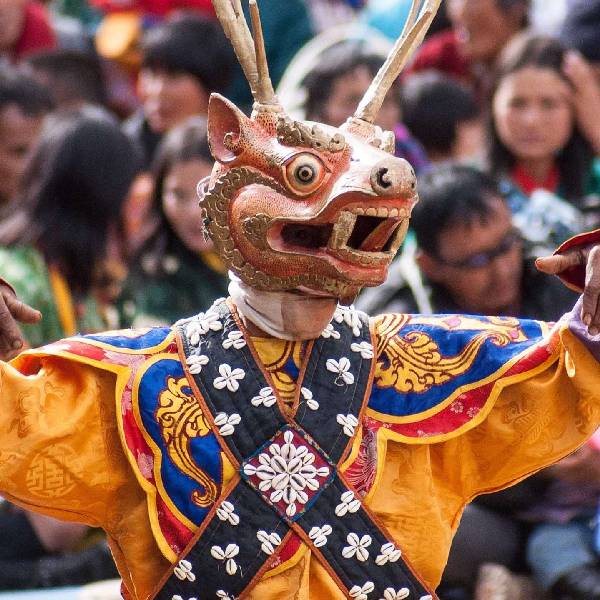
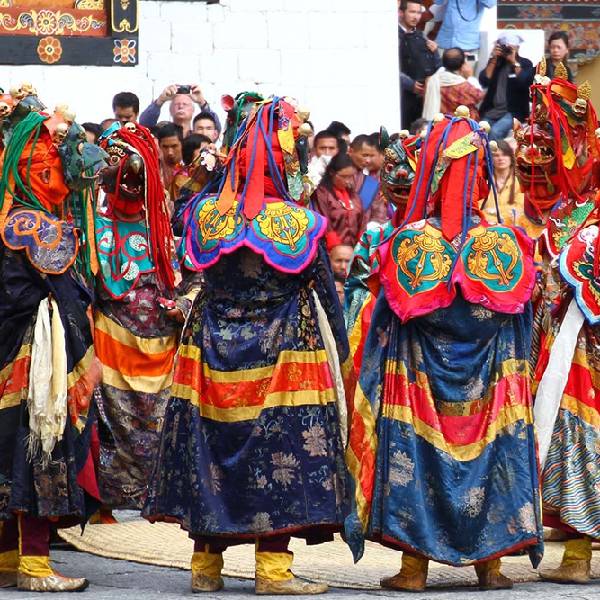
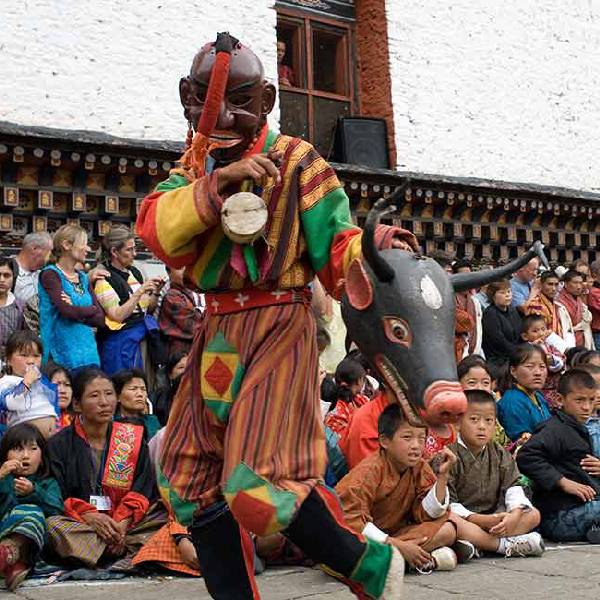
One of the main attractions of Talo Tshechu is the performance of sacred mask dances known as Cham dances. These traditional dances are performed by monks and trained dancers wearing elaborate costumes and symbolic masks. The performances are connected with Buddhist teachings and often represent spiritual stories, the victory of good over evil, and important religious figures. The slow movements, rhythmic music, drums, horns, and colourful clothing create an atmosphere that is both powerful and memorable. Watching these dances allows visitors to experience traditions that have been preserved and passed from one generation to another.
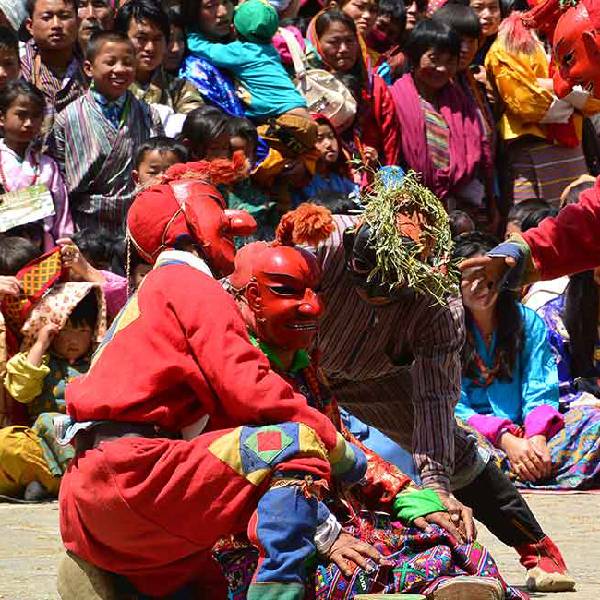
Talo Tshechu is also known for its traditional Atsara performances. Atsaras are festival clowns who entertain spectators through humour, playful interactions, and expressive performances. Although they often make people laugh, they also hold an important cultural position during Bhutanese festivals. Their role helps create a relaxed atmosphere between religious performances and allows the audience to participate more naturally in the celebration. For international visitors, the Atsara performances often become one of the most memorable and enjoyable parts of the festival experience.
Another special feature associated with Talo Tshechu is the performance of Zhungdra, one of Bhutan’s traditional forms of classical singing and dancing. Local women dressed in elegant traditional clothing perform slow and graceful dances while singing traditional songs. These performances reflect Bhutan’s artistic heritage and help preserve cultural expressions that have existed for generations. The combination of sacred dances, traditional songs, religious ceremonies, and local participation makes Talo Tshechu different from many modern cultural events and gives travellers a deeper understanding of Bhutanese identity.
The location of the festival adds to its charm. Talo village is situated above the Punakha valley and is known for its peaceful surroundings, beautiful views, traditional architecture, and spiritual atmosphere. Visitors travelling to the festival can enjoy scenic mountain roads, agricultural landscapes, forests, and traditional settlements along the way. The elevated setting provides impressive views of the surrounding valleys and makes the journey to Talo an enjoyable part of the overall experience. Travellers staying in Punakha can usually include the festival as part of a wider sightseeing itinerary in the region.
Visiting Talo Tshechu also gives travellers an excellent opportunity to observe everyday Bhutanese community life. Unlike large commercial events, the festival maintains a strong local character. Visitors can watch families gathering together, elderly residents participating in religious activities, children enjoying the festive atmosphere, and monks performing important ceremonies. This creates a more personal and authentic cultural experience. Travellers are encouraged to respect local customs, avoid disturbing religious activities, and follow the advice of their local guide while attending the festival.
Photography is generally popular during the festival because of the colourful costumes, traditional dances, mountain scenery, and community activities. However, visitors should always remain respectful and ask for permission before taking close photographs of local residents or monks. Certain religious activities may have restrictions on photography, so travellers should follow local instructions. Wearing modest clothing, speaking quietly during ceremonies, and avoiding unnecessary movement during important performances are simple ways to show respect for the cultural and spiritual significance of the event.
Talo Tshechu is usually held during the spring season, often around March or April, depending on the Bhutanese lunar calendar. Spring is also one of the most pleasant periods for travelling in Punakha, with comfortable daytime temperatures, blooming vegetation, and clear views of the surrounding landscape. Because festival dates can change each year, visitors should confirm the official schedule before booking flights, accommodation, and travel arrangements. Early planning is recommended because hotels, guides, and transport services can become busier during major festival periods.
Travellers attending Talo Tshechu can easily combine the festival with other important attractions in Punakha. The famous Punakha Dzong, scenic suspension bridges, riverside areas, traditional villages, monasteries, and mountain viewpoints can all be included in a well-planned itinerary. Visitors can also combine Punakha with destinations such as Paro and Thimphu to experience different aspects of Bhutanese culture, history, architecture, and natural beauty. A local guide can provide useful explanations about the festival performances, religious traditions, local customs, and historical background.
Talo Tshechu is an excellent choice for travellers who want to experience Bhutanese culture in a meaningful and traditional setting. The sacred mask dances, classical songs, colourful clothing, religious ceremonies, village atmosphere, and warm community participation make the festival a memorable part of any Bhutan journey. Journey DMC Bhutan can help travellers include Talo Tshechu in a customised Bhutan itinerary with suitable accommodation, transportation, sightseeing, and professional guiding services. Planning the visit around the confirmed festival dates can help travellers enjoy an enriching cultural experience while exploring the natural and historical beauty of Punakha and the surrounding regions.