Tendra Tshechu
Tendra Tshechu is a traditional Bhutanese festival that brings together religion, culture, community life, and centuries-old Buddhist traditions. Like other Tshechus celebrated across Bhutan, the festival gives visitors an opportunity to experience sacred masked dances, traditional music, religious ceremonies, and local customs in an authentic setting. For Bhutanese communities, a Tshechu is much more than a public celebration. It is an important religious and social gathering where families come together, receive blessings, meet relatives, and participate in traditions passed down through generations.
Tshechus hold an important place in Bhutanese Buddhist culture. Many of the ceremonies and performances are connected with Buddhist teachings, local religious beliefs, and Bhutan's spiritual heritage. During Tendra Tshechu, local residents often gather in their finest traditional dress, creating a colourful and lively atmosphere. The celebration combines devotion with community participation, making it both spiritually meaningful and culturally fascinating for visitors.
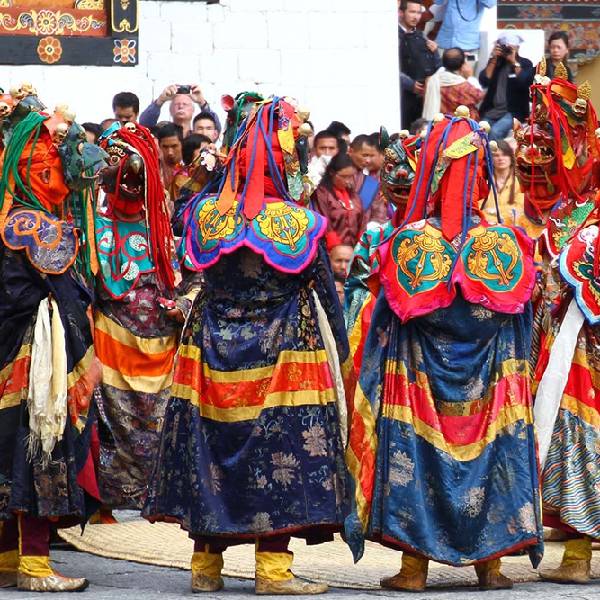
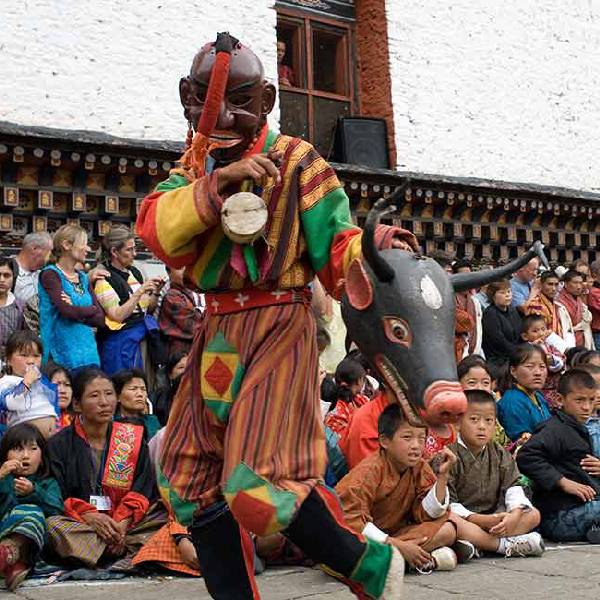
One of the main attractions of Tendra Tshechu is the performance of sacred masked dances known as Cham. Monks and trained performers wear elaborate masks and colourful costumes while presenting dances associated with Buddhist stories, spiritual teachings, and protective deities. These performances often communicate messages about good and bad actions, compassion, faith, and the journey of life. Traditional instruments and rhythmic movements accompany the dances, creating a distinctive atmosphere throughout the festival.
Visitors should understand that Cham dances are not simply entertainment. They are part of a living religious tradition that has been preserved in Bhutan for generations. Watching these performances offers travellers a deeper understanding of Bhutanese Buddhism and the way religious beliefs remain closely connected with everyday community life.
The atmosphere during Tendra Tshechu is usually lively, welcoming, and deeply traditional. Festival grounds bring together monks, elderly residents, children, families, and visitors. Many local people wear the national dress, with men dressed in gho and women wearing kira. The colourful clothing, ceremonial masks, traditional music, and religious performances create memorable scenes for travellers interested in Bhutanese culture and photography.
Attending Tendra Tshechu also gives visitors the chance to experience Bhutan beyond its monasteries, mountain landscapes, and famous landmarks. Festivals provide a closer look at how communities maintain their traditions and celebrate together. Travellers can observe local customs, social interactions, religious practices, and traditional clothing in a setting that remains closely connected with Bhutanese daily life.
Respectful behaviour is important when attending the festival. Visitors should wear modest and comfortable clothing suitable for a religious environment. During important ceremonies, it is advisable to remain quiet and avoid disturbing performers or local worshippers. Visitors should also avoid blocking the view of local spectators while taking photographs or videos.
Photography may be allowed in many outdoor festival areas, but visitors should remain considerate. Permission should be requested before taking close photographs of monks, elderly residents, or local families. Certain religious ceremonies, sacred objects, or indoor areas may have photography restrictions. Following the advice of a local guide can help visitors enjoy the festival respectfully while avoiding cultural misunderstandings.
Travellers planning to attend Tendra Tshechu should confirm the latest festival dates before finalising their Bhutan itinerary. Many Bhutanese festivals follow the traditional lunar calendar, which means dates can change from year to year. Checking the confirmed schedule in advance can help with accommodation, transportation, permits, and sightseeing arrangements.
It is also a good idea to include Tendra Tshechu as part of a broader Bhutan cultural tour. Depending on the travel route, visitors can combine the festival experience with monasteries, dzongs, traditional villages, scenic valleys, and other important cultural attractions. This creates a more complete journey and allows travellers to understand both Bhutan's spiritual traditions and its natural beauty.
The best experience comes from arriving at the festival with enough time to observe the ceremonies without rushing. Festival areas can become busy, especially during important performances, so arriving early can provide a better place to watch the dances and ceremonies. Comfortable footwear, suitable clothing, drinking water, and sun protection can also make the visit more enjoyable.
Tendra Tshechu is especially suitable for travellers interested in cultural tourism, Buddhist traditions, photography, local festivals, and authentic community experiences. Rather than being staged mainly for tourists, Bhutanese Tshechus continue to hold strong religious and social importance for local communities. This makes attending the festival a meaningful way to experience Bhutan's living cultural heritage.
For travellers exploring Bhutan, Tendra Tshechu offers a memorable opportunity to witness sacred traditions, colourful performances, community celebrations, and Buddhist customs in one place. With respectful participation and proper planning, the festival can become one of the most distinctive cultural experiences of a Bhutan journey.