Trashigang Tshechu
Trashigang Tshechu is one of the most important and culturally significant festivals in eastern Bhutan, offering travellers a unique opportunity to experience the country’s rich Buddhist traditions, ancient rituals, and vibrant community celebrations. Held annually at the historic Trashigang Dzong, this three-day festival attracts monks, local residents, and visitors from different parts of Bhutan who gather to witness sacred ceremonies, traditional mask dances, and colourful cultural performances. Located in the eastern region of Bhutan, Trashigang Tshechu provides an authentic glimpse into the living heritage and spiritual traditions that continue to shape Bhutanese society.
The festival is deeply connected with Bhutan’s Buddhist beliefs and is celebrated in honour of Guru Rinpoche (Padmasambhava), the revered Buddhist master who introduced Vajrayana Buddhism to Bhutan. Like other tshechus across the country, Trashigang Tshechu is not only a religious gathering but also an important social occasion where communities come together to receive blessings, celebrate their traditions, and strengthen cultural connections. For local people, attending the festival is considered a meaningful spiritual experience that brings good fortune, peace, and prosperity.
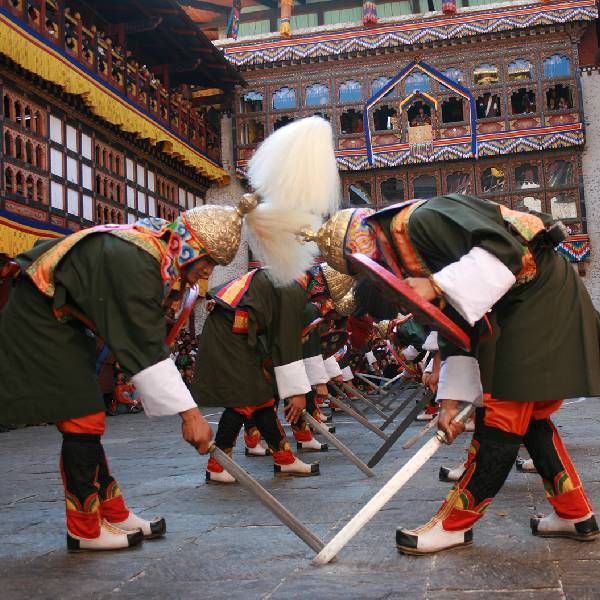
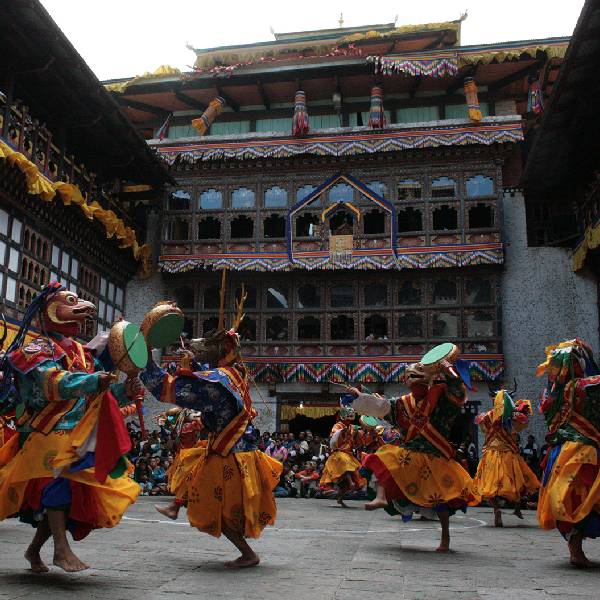
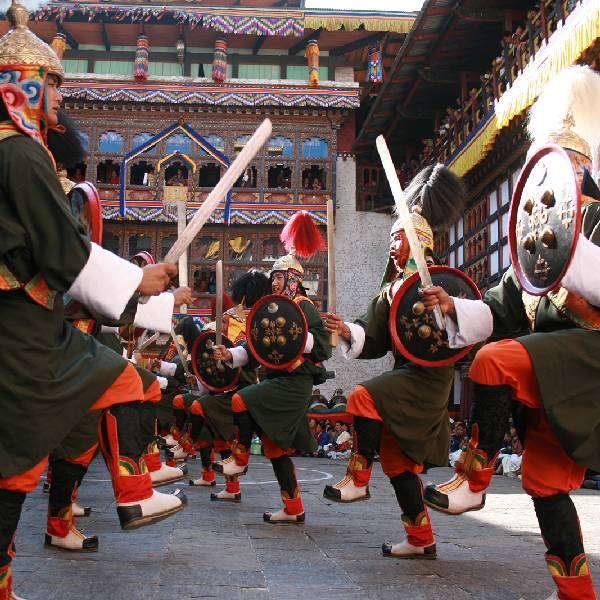
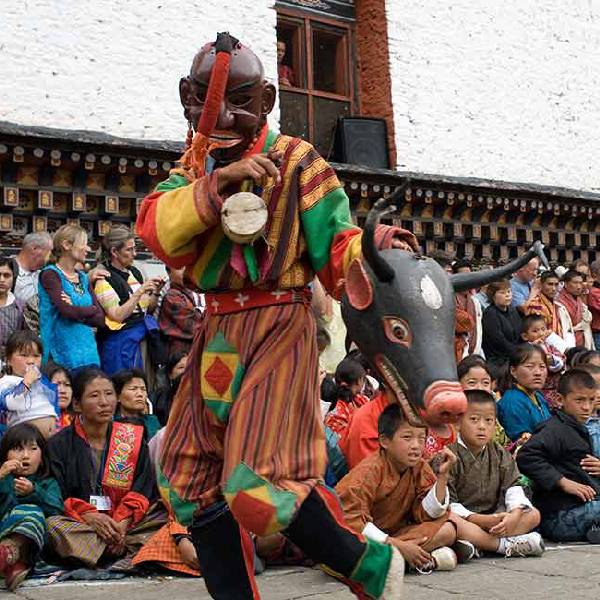
Trashigang Dzong, the venue of this magnificent celebration, adds to the beauty and importance of the festival. Situated on a dramatic ridge overlooking the Drangme Chhu and Gamri Chhu rivers, the dzong serves as both a spiritual and administrative centre of eastern Bhutan. During the festival period, the dzong courtyard transforms into a vibrant stage where monks perform sacred rituals and dancers present traditional performances that have been preserved for generations.
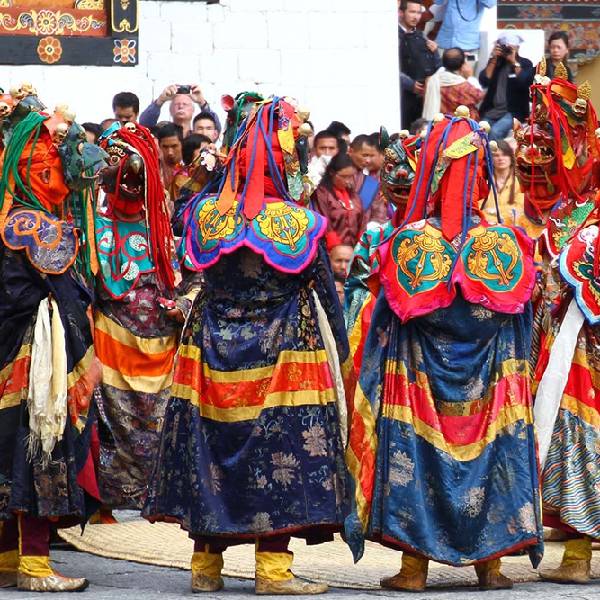
The highlight of Trashigang Tshechu is the sacred Cham, or traditional mask dances, performed by monks and trained dancers wearing elaborate costumes and symbolic masks. These performances represent Buddhist teachings, spiritual stories, and the victory of wisdom over ignorance. Each dance has a deeper religious meaning, often portraying protective deities, enlightened beings, and important events from Bhutanese Buddhist history. The combination of colourful costumes, traditional instruments, rhythmic movements, and spiritual storytelling creates a powerful experience for everyone attending the festival.
One of the unique aspects of Trashigang Tshechu is the participation of diverse communities from eastern Bhutan. The festival attracts people from remote villages, including the semi-nomadic Brokpa communities from the Merak and Sakteng valleys, who arrive wearing their distinctive traditional clothing. Their presence adds a special cultural dimension to the celebration and allows visitors to witness the diversity of Bhutan’s ethnic traditions, lifestyles, and customs.
The festival also features the display of sacred Thongdrel, large religious tapestries that are believed to provide blessings to those who view them. These sacred artworks are carefully preserved and displayed during important festival moments, creating a deeply spiritual atmosphere among devotees and visitors. Many Bhutanese people believe that seeing the Thongdrel with devotion can help purify negative influences and bring spiritual benefits.
Beyond its religious importance, Trashigang Tshechu is a celebration of Bhutanese culture and community life. Visitors can observe locals dressed in traditional gho and kira, enjoy traditional music, and experience the warm hospitality of eastern Bhutan. The festival provides an excellent opportunity to interact with local communities, learn about Bhutanese customs, and understand how ancient traditions continue to play an important role in everyday life.
Travelling to Trashigang Tshechu offers much more than attending a festival. The journey to eastern Bhutan takes visitors through beautiful mountain landscapes, remote villages, and scenic valleys that reveal a quieter and more traditional side of the country. Compared with some of Bhutan’s more popular western destinations, eastern Bhutan offers a more authentic cultural experience where visitors can connect closely with local people and traditions.
The best time to visit Trashigang Tshechu is generally during the autumn or winter festival season, depending on the Bhutanese lunar calendar. The festival is usually held around November or December, attracting both local devotees and international travellers. Visitors planning to attend should arrange accommodation, transportation, and travel permits in advance to enjoy a comfortable festival experience.
Trashigang Tshechu is an unforgettable cultural journey that combines spirituality, history, traditional art, and community celebration. From sacred mask dances and religious ceremonies to the colourful traditions of eastern Bhutan’s communities, the festival offers a rare opportunity to experience Bhutan’s authentic cultural identity. For travellers seeking a deeper connection with Bhutan beyond popular attractions, Trashigang Tshechu provides a meaningful and memorable experience filled with tradition, devotion, and Himalayan charm.