Tshechu
Tshechu is one of the most important and widely celebrated religious festivals in Bhutan. This traditional festival reflects the country’s deep connection with Buddhism, spirituality, and community values. Held in different districts and monasteries across Bhutan, Tshechu brings together monks, local communities, and visitors to celebrate Buddhist teachings through sacred rituals, traditional dances, music, and cultural performances. The festival is not only a religious gathering but also a celebration of Bhutanese identity, where ancient traditions continue to live through generations.
The word “Tshechu” means the “tenth day,” referring to the traditional day of the lunar calendar when many of these festivals are held. Tshechu festivals are mainly dedicated to Guru Rinpoche, also known as Padmasambhava, the great Buddhist master who introduced Tantric Buddhism to Bhutan in the 8th century. Bhutanese people believe that attending Tshechu brings blessings, removes negative influences, and helps strengthen spiritual connection.
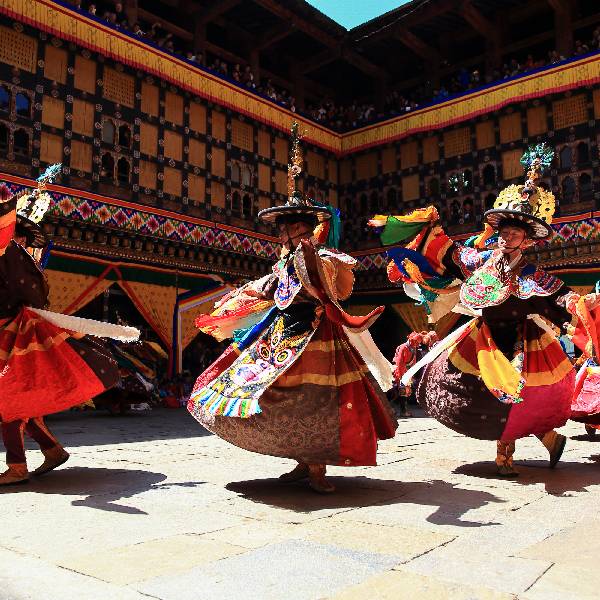
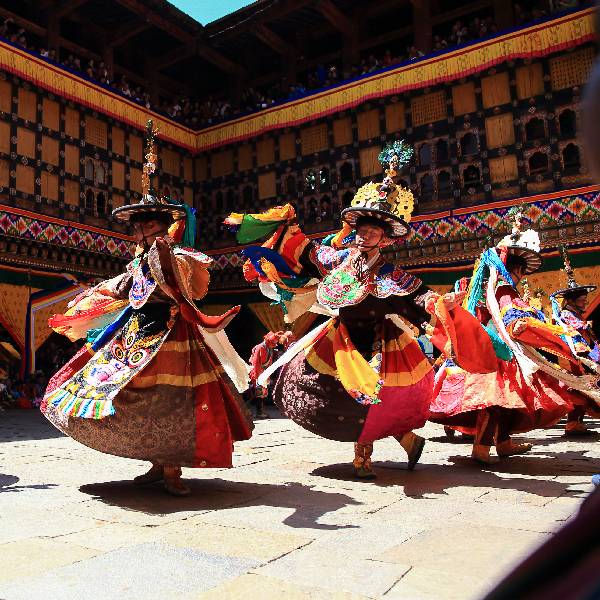
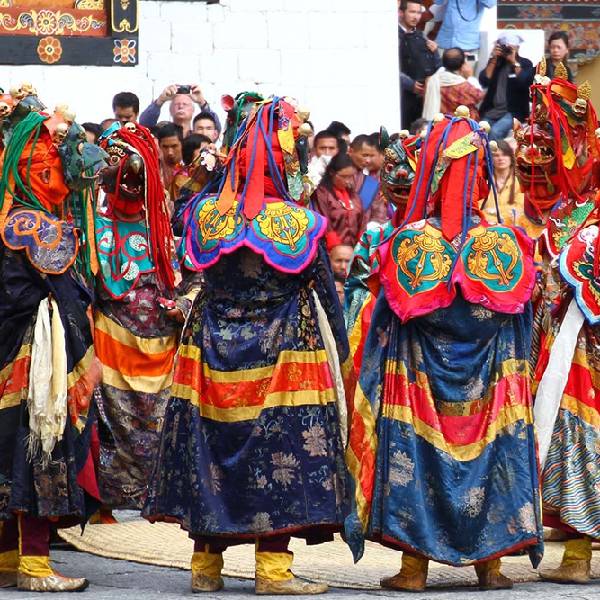
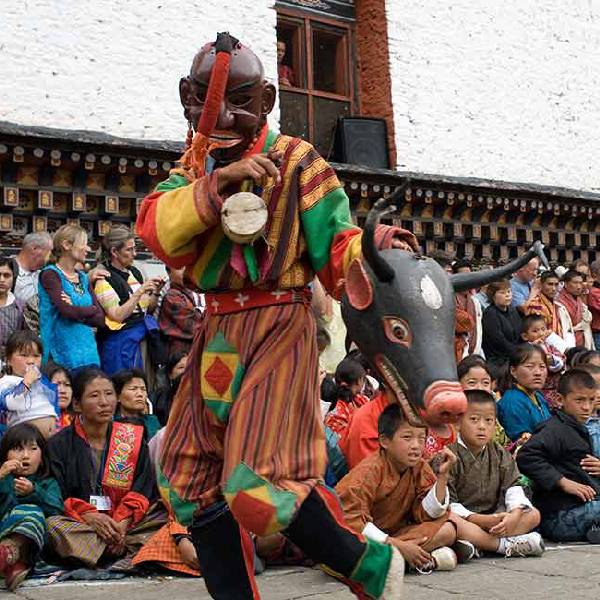
One of the main highlights of the Tshechu festival is the sacred Cham dance. These masked dances are performed by monks and trained dancers wearing colourful costumes and symbolic masks representing Buddhist deities, protectors, animals, and spiritual figures. Each dance carries a deeper meaning and tells stories related to Buddhist teachings, the life of Guru Rinpoche, and the victory of good over negative forces. These performances are considered sacred rituals rather than simple entertainment.
The atmosphere during Tshechu is filled with traditional music, religious chants, and vibrant cultural expressions. The sound of drums, horns, and cymbals combines with the movements of dancers to create a powerful spiritual experience. Visitors often find themselves fascinated by the detailed costumes, artistic masks, and the discipline involved in every performance.
Beyond the religious ceremonies, Tshechu plays an important role in bringing Bhutanese communities together. People from different villages and regions travel to attend these festivals, often wearing their finest traditional clothes. Families gather, friends meet, and communities celebrate their shared culture. The festival becomes a place where spiritual devotion, social connection, and cultural preservation come together.
Different regions of Bhutan celebrate their own Tshechu festivals, each with unique traditions and performances. Some of the most famous celebrations include Paro Tshechu, Thimphu Tshechu, Punakha Tshechu, and Wangdue Tshechu. While the basic purpose of these festivals remains the same, each location offers a different cultural experience based on local customs, history, and traditions.
Paro Tshechu is one of the most popular festivals among travellers because of its beautiful location at Paro Dzong and its grand religious ceremonies. Thimphu Tshechu, held in Bhutan’s capital city, attracts large numbers of locals and visitors who come to witness the colourful masked dances and cultural performances. These festivals provide an excellent opportunity to experience Bhutan’s spiritual heritage and traditional lifestyle.
Another important element of many Tshechu festivals is the display of the Thongdrel, a large sacred religious painting. This special artwork is displayed during the final day of some festivals, and many Bhutanese people believe that viewing the Thongdrel provides spiritual blessings and purification. The unveiling of this sacred image is one of the most meaningful moments of the celebration.
For travellers, attending a Tshechu festival offers much more than sightseeing. It provides an opportunity to understand Bhutan’s philosophy, traditions, and spiritual way of life. Visitors can observe how Buddhism influences everyday life in Bhutan and how communities continue to protect their cultural heritage. The festival allows travellers to experience an authentic side of Bhutan that cannot be found through ordinary tourism.
The best time to experience Tshechu depends on the location and festival schedule because dates are based on the Bhutanese lunar calendar. Travellers planning to attend a specific Tshechu should check the festival dates in advance and plan accommodation and transportation accordingly. Festival periods can attract many visitors, so early planning is recommended.
Visitors attending Tshechu should respect local customs and religious practices. Wearing appropriate clothing, maintaining respectful behaviour, and following photography guidelines are important when visiting monasteries and sacred festival areas. While photography is often allowed, some religious ceremonies may have restrictions, so travellers should always follow local instructions.
A guided cultural tour can make the Tshechu experience even more meaningful. Local guides can explain the stories behind different dances, the meaning of masks and costumes, and the importance of various rituals. Understanding the background of the performances helps visitors appreciate the festival on a deeper level.
Tshechu represents the heart of Bhutanese culture and spirituality. It is a celebration where faith, art, history, and community come together in a unique and unforgettable way. From sacred masked dances to traditional gatherings, every part of the festival reflects Bhutan’s dedication to preserving its ancient traditions.
For travellers seeking a meaningful cultural experience, Tshechu is one of the best ways to discover the true spirit of Bhutan. The festival offers a rare chance to witness living traditions, connect with local communities, and experience the peaceful values of harmony, devotion, and happiness that define Bhutan.