Wangdue Tshechu
Wangdue Tshechu is one of the most culturally important festivals in western Bhutan, offering travellers an opportunity to experience the country’s ancient Buddhist traditions, sacred rituals, and vibrant community celebrations. Held in Wangdue Phodrang, this annual festival brings together monks, local residents, and visitors for several days of religious ceremonies, traditional mask dances, and cultural performances. With its deep spiritual significance and connection to Bhutanese heritage, Wangdue Tshechu provides an authentic insight into the customs and beliefs that have been preserved for generations.
The festival is celebrated in honour of Guru Rinpoche (Padmasambhava), the great Buddhist master who introduced Vajrayana Buddhism to Bhutan. Like other tshechu festivals across the country, Wangdue Tshechu is not only a religious event but also an important social gathering where communities come together to pray, receive blessings, and celebrate their shared cultural identity. For Bhutanese people, attending the festival is a meaningful spiritual experience as well as an opportunity to reconnect with family, friends, and local traditions.
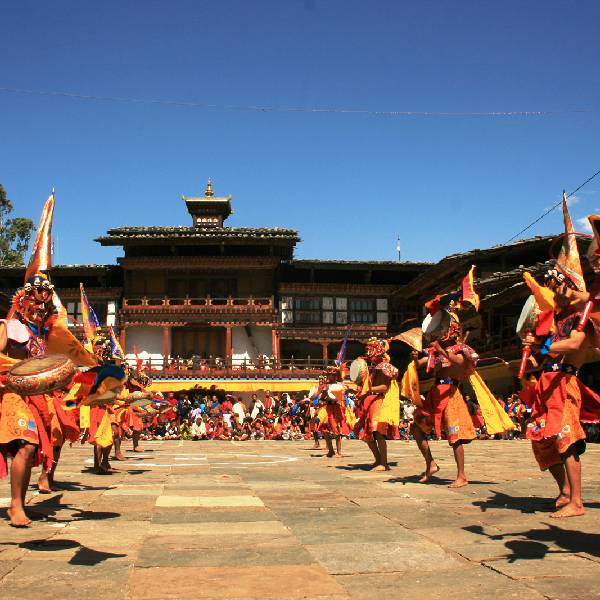
Wangdue Tshechu has a strong historical connection with Wangdue Phodrang Dzong, one of Bhutan’s significant fortress-monasteries. The dzong was traditionally the centre of administration and religious activities in the region, and the festival developed as an important celebration after its establishment. The dramatic location of the dzong, overlooking valleys and surrounded by Bhutan’s natural beauty, made Wangdue Tshechu one of the most visually impressive festivals in the country. Following the devastating fire that damaged the dzong in 2012, the festival continued at a temporary venue before returning to the restored dzong after its reconstruction.
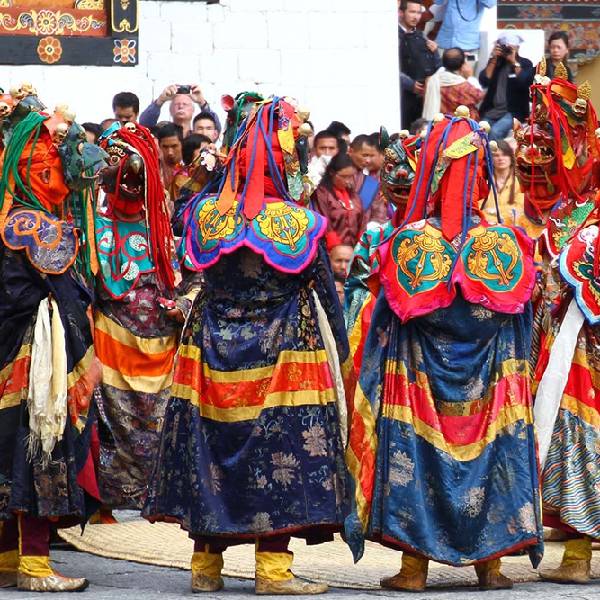
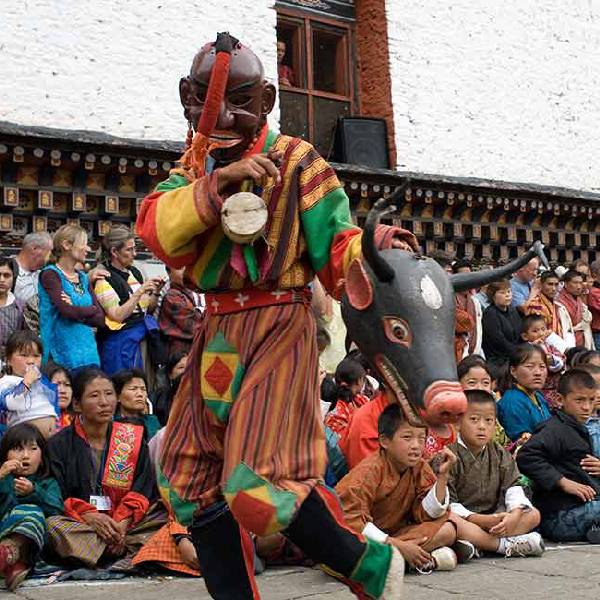
The main attraction of Wangdue Tshechu is the sacred Cham dance, a traditional masked dance performed by monks and trained dancers. These performances combine religious teachings, storytelling, music, and artistic expression. Dancers wear elaborate costumes and symbolic masks representing Buddhist deities, protective spirits, animals, and legendary figures. Each movement and character carries a deeper meaning, often representing the victory of wisdom over ignorance, the purification of negative influences, and the importance of spiritual transformation.
Among the most significant performances at Wangdue Tshechu is the Raksha Mangcham, also known as the Dance of the Judgment of the Dead. This powerful dance portrays Buddhist teachings about morality, karma, and the consequences of human actions. Other important performances include the Black Hat Dance, Guru Tshengye (the Eight Manifestations of Guru Rinpoche), and various sacred dances that have been carefully preserved through Bhutan’s religious traditions. These performances create a unique atmosphere where visitors can witness centuries-old stories being brought to life through movement, music, and colour.
A special feature of Wangdue Tshechu is the traditional Dolungpai Raksha Chham, a distinctive performance associated with the festival. This unique dance is considered one of the highlights of the celebration and reflects the local religious heritage of the Wangdue region. The presence of such traditional performances makes the festival different from many other tshechus in Bhutan and provides visitors with a rare opportunity to experience regional cultural expressions.
The final day of Wangdue Tshechu is considered especially significant because of the unfurling of the sacred Thongdrel. This large religious tapestry, usually displayed early in the morning, features important Buddhist figures and is believed by devotees to provide blessings and spiritual purification to those who witness it. Thousands of people gather to observe this sacred moment, making it one of the most memorable experiences of the festival.
Beyond its religious importance, Wangdue Tshechu is a celebration of Bhutanese community life and cultural identity. During the festival, locals dress in their finest traditional clothing, with men wearing gho and women wearing kira, creating a colourful display of Bhutanese traditions. Families gather, local markets become lively, and visitors can experience traditional food, handicrafts, music, and the warm hospitality of the Bhutanese people.
For travellers seeking an authentic Bhutan experience, Wangdue Tshechu offers much more than a festival visit. The journey to Wangdue Phodrang takes visitors through scenic mountain roads, peaceful valleys, and traditional villages where they can experience the natural beauty and rural lifestyle of Bhutan. The festival can also be combined with visits to nearby attractions, including historic monasteries, dzongs, and beautiful Himalayan landscapes.
Wangdue Tshechu is generally held during the autumn season, usually around September or October, according to the Bhutanese lunar calendar. Since it is one of the important festivals in western Bhutan, travellers planning to attend should arrange accommodation, transportation, and travel permits in advance. Visiting during the festival season allows guests to experience Bhutan’s cultural traditions at their most vibrant and meaningful.
Wangdue Tshechu represents the spiritual heart of Bhutan, where religion, tradition, and community come together in a spectacular celebration. From sacred mask dances and ancient rituals to the beauty of Bhutanese landscapes and local customs, the festival offers an unforgettable cultural experience. For travellers looking to explore Bhutan beyond popular attractions, Wangdue Tshechu provides a deeper connection with the country’s heritage, beliefs, and timeless traditions.